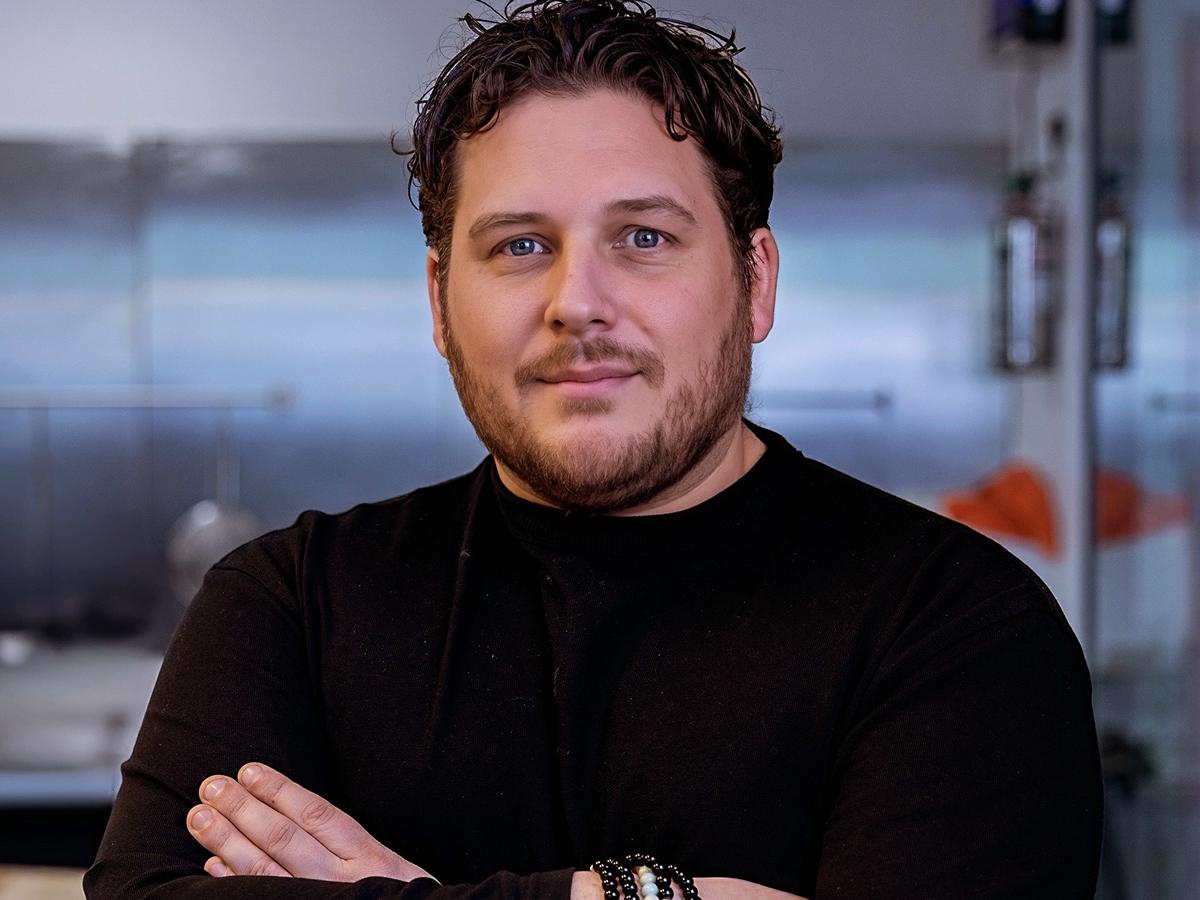
How Private Dining Is Elevating Ethnic Cuisines in the UK

A Format That Flattens Culture
In many UK restaurants, ethnic cuisines are reduced to a familiar shortlist of dishes — the “safe bets.” Anything unfamiliar is often considered a risk, no matter how authentic or skillfully prepared.
Chef Dan, who specialises in Thai food, experiences this pressure often.
“There’s this idea of what Thai food is,” he says, “but it’s often a Westernised version — red curry, Pad Thai, green curry. I love introducing people to things they’ve never tasted.”
Yet in restaurants, menus rarely reflect that full range. The focus stays on what’s assumed to sell.
The problem runs deeper than dishes. Only around 6% of Michelin-starred restaurants in the UK are led by Black or South Asian chefs. This points to a broader issue — not just about who cooks, but who defines what’s considered refined, serious, or worthy of attention.
Within this system, many chefs feel boxed in. Sharing more of their culture often means pushing against commercial pressures, diner assumptions, and a format that doesn’t leave room for anything outside the expected.
For many, that frustration has led to a simple decision: it’s time to try a different way.
A New Way to Share Food — and Story
While restaurant kitchens have been slow to change, the way people eat has already begun to evolve.
Since the pandemic, home-centred living has shifted from a temporary adjustment to a lasting lifestyle. A 2023 Mintel study found that 63% of UK adults now prefer entertaining at home rather than dining out. And it’s not just about comfort — it’s cultural. Younger generations are leading a revival of supper clubs and shared meals that prioritise connection, conversation, and story.
This shift has created space for something chefs haven’t always had: a setting where their food can be experienced personally — not just consumed, but understood.
Chef Mark saw this early. Before offering private dining services, he hosted Filipino supper clubs in his own home. These were intimate, ticketed events for up to 14 guests. The food was important, but the atmosphere was everything — close, conversational, and rooted in culture.
“It was perhaps a natural progression,” he says, “to start cooking in others’ homes.”
That move opened the door to something bigger. Cooking in people’s homes allowed for more creativity, less pressure, and a deeper exchange between chef and diner.
“Private chefs have lower overheads,” he adds, “so they can be a bit more daring and adventurous.”
The result is a kind of food experience that doesn’t need to cater to the middle — because it’s designed for people open to something more.
Cooking Without Compromise
For chefs with deep cultural roots, the value of private dining lies not just in the format, but in the freedom it brings. It allows them to cook what feels true to their background — without needing to filter it through someone else’s definition of what’s sellable.
Chef Mark no longer edits his food to suit a commercial expectation.
“I do have faith in the flavours I grew up with,” he says, “so I don’t generally compromise on that front.”
Chef Manika felt the same. Rather than replicate familiar restaurant-style Indian curries, she leaned into the dishes she knew best — the slow-cooked, carefully balanced meals from her Punjabi upbringing. Her menus feature chapattis brushed with ghee, daals made from scratch, and fresh, seasonal vegetables prepared by hand.
“I slowly layered up the flavours in stages,” she explains, “never using a homogenous curry base or premade pastes.”
It’s a method that reflects both memory and intention — and it speaks to the quiet resistance many chefs feel when asked to flatten their food for convenience.
Chef Keiko, who specialises in Japanese cuisine, shares that clarity of purpose. Though skilled in many styles, she chose to centre her work around her own heritage.
“As a foreigner in this country, I directed it to my culture,” she says. “I know Japanese food — I’ve tasted it all my life. I know what I’m doing.”
For her, cooking privately means not just showcasing Japanese cuisine, but representing it properly — with detail, confidence, and pride.
Culture Is the Selling Point, Not the Risk
There’s a long-standing assumption that diners only want the most recognisable version of any global cuisine — the “safe” or simplified version. But booking data shows a different story.
In 2024, Japanese cuisine accounted for just 2.9% of Yhangry bookings, yet it had the highest average spend per person: £129.71. Diners aren’t just open to authenticity — they’re willing to invest in it.
Chef Mansour has seen this shift firsthand. His menus, shaped by his Lebanese background, bring the richness and warmth of Mediterranean food directly into people’s homes.
“Yhangry opened the door to clients who might not have thought of Lebanese or Mediterranean food as something that could be high-end,” he says.
Whether you're hosting a special celebration dinner, looking for a chef during your holiday or weekly meal prep, we will match you to the perfect chefs.
Start here“The food scene here tends to pigeonhole our cuisine — but Mediterranean food can be luxurious, elegant, and deeply soulful. Yhangry has made that possible on a scale I couldn’t have reached on my own.”
His story is part of a growing movement: chefs who are no longer adjusting their food to fit a system, but shaping the system around their food — and being rewarded for it.
A Warm Invitation to Cook Your Way
Private dining isn’t just about working differently — it’s about being able to cook in a way that’s honest, creative, and rooted in where you come from.
At Yhangry, we’ve seen chefs transform personal recipes into professional menus, and turn cultural memory into something their clients can taste, learn from, and remember. What starts in home kitchens is now finding its place at the centre of people’s tables — and that matters.
If you’ve been looking for a way to cook without compromise, this might be the path.
Getting started is simple: upload a profile picture, share a few dish images, and include one sample menu. That’s all you need to go live and begin connecting with clients.
You’ll be joining a growing, supportive community of chefs who believe that food doesn’t need to be reworked to be respected — it just needs to be shared.
- How do I differentiate myself if others cook similar cuisines?
-
Lean into your personal story, cooking style, and regional specialities. Clients often choose chefs based on authenticity, energy, and connection—not just cuisine type.
- How do I educate clients unfamiliar with certain ingredients or cooking methods?
-
Use your menu descriptions and pre-event communication to introduce key flavours or preparations. Many chefs also explain dishes tableside to build appreciation.
- How should I handle guests unfamiliar with my cuisine’s spice levels?
-
Offer clear spice indicators on your menu and provide a mild option if needed. Communication before the event helps manage expectations and avoid surprises.
- Can I prepare some dishes at home and finish them onsite?
-
Yes—as long as your home kitchen is registered with your local council and meets hygiene standards. Many chefs prep sauces, doughs, or marinades in advance.
- How do I transport ethnic dishes that require specific temperatures or textures?
-
Use insulated food carriers, heat packs, and airtight containers. Dishes like biryani or stews hold well, but crispy or delicate items may need to be finished onsite.