Want to Stand Out as a Private Chef? Start With These 5 Steps
In today’s world of private dining, cooking great food is only part of the equation. To really thrive, chefs need to think like brands. The most successful private chefs aren’t just known for their menus—they’re remembered for how they make people feel, how their food looks online, how they show up in clients’ homes, and how they turn a one-off dinner into repeat bookings and rave reviews.
We spoke to yhangry chefs across the UK who’ve figured out how to build a brand that’s personal, memorable, and fully booked. Here’s how they do it—and how you can too.
Make Your Food Recognisable at a Glance
In a competitive market where diners often discover chefs through Instagram or a friend’s photo, consistency is everything. Chefs who establish a strong visual identity—whether it’s through plating, photography, or editing style—are more likely to stay top of mind.
Chef John has nailed this. His approach to photography is simple but deliberate: natural lighting, consistent angles, and clean compositions. Without any professional gear or filters, his food is instantly recognisable.
“I always try to use natural lighting, and I shoot at a 45-degree angle. Almost every photo has the same feel—the same angle, same tone. When someone sees my food online, I want them to say, ‘That’s Chef John.’”
As more chefs use Instagram as their digital portfolio, a subtle but cohesive aesthetic is becoming the standard.
Tell a Story That Goes Beyond the Plate
Today’s clients aren’t just booking meals—they’re booking moments. What turns a good dinner into a great experience often comes down to storytelling: how you talk about the dish, the thought behind the menu, and even the atmosphere you create in the room.
Chef Cedric gets this instinctively. He approaches private dining not just as a service, but as a connection.
“You’re not just feeding people, you’re stepping into their space, their dynamic, their rhythm. It’s never about forcing a concept, it’s about making it feel natural, even in a busy, intimate space. At the end of the day, it’s still about connection. Whether that comes through a story I tell out loud or just through how a dish makes someone feel it all counts.”
Sometimes that connection is created through stories told at the table, and other times it’s woven subtly into the menu. But the intention is always the same: to leave guests feeling something deeper than just satisfaction.
Surprise and Delight With a Personal Touch
As private dining becomes more popular, diners are expecting more than just good food—they want thoughtful, personal touches that make the evening feel tailor-made. The chefs who consistently get rebooked are the ones who make their clients feel seen.
Chef Stefan always takes time before an event to learn about his clients. He often schedules a video call ahead of time—not to talk menus, but to understand who they are. That prep allows him to weave small but impactful details into the experience.
“I always try to learn about the client before the event. Sometimes I’ll do a video call with them, just to get a feel.Anyone can write a guest’s name on a menu. I want to give them something they haven’t seen in years.”
His approach goes beyond surface-level personalisation.
Build Every Menu Around Your Client
Gone are the days of rigid, fixed menus. Clients now expect menus tailored to their dietary preferences—and they expect those dishes to feel just as special as everyone else’s.
Chef Adam creates all of his menus from scratch and puts a big focus on making sure no guest feels like an afterthought.
“If someone’s vegetarian or gluten-free, I won’t just give them a different plate. I’ll adapt the main dish so it still feels like part of the same meal. It’s just about being creative with ingredients… It’s about flavour and thought, not cost.”
That mindset is increasingly common among top private chefs, who view dietary requests not as limitations, but as opportunities to be creative.
Present Beautifully—Even in a Home Kitchen
Plating can be one of the most powerful visual signatures for a private chef, but it also has to be practical. Unlike restaurants, private chefs work in unfamiliar kitchens, often with limited equipment. The trick? Being intentional.
Whether you're hosting a special celebration dinner, looking for a chef during your holiday or weekly meal prep, we will match you to the perfect chefs.
Start hereChef Jessica brings a few key items to every booking, like neutral-toned sharing platters and tweezers for fine detailing. It’s a simple kit that makes a big impact.
“One thing I would bring is tweezers if I was doing canapés… I really enjoy putting little herbs and flowers on canapés.”
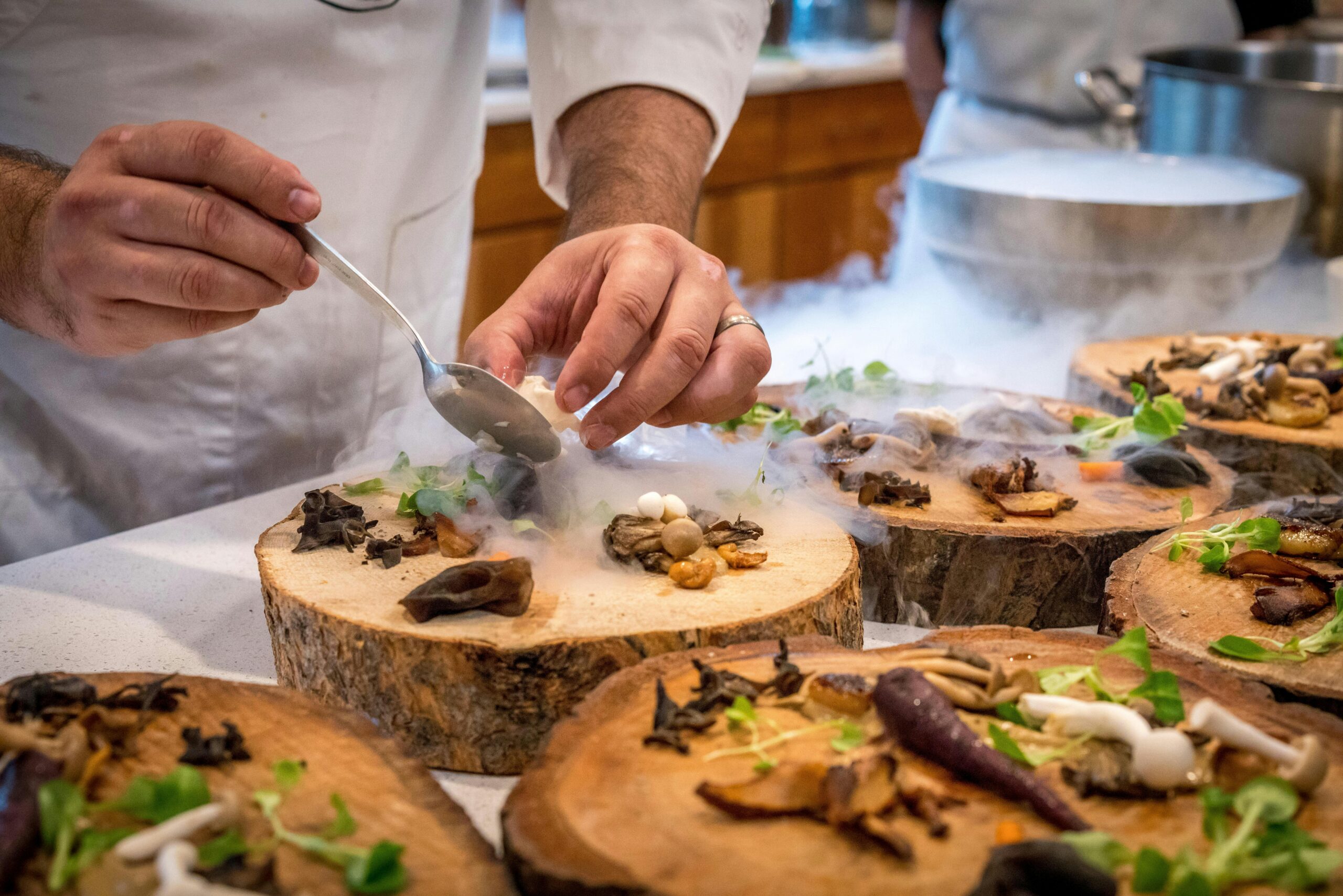
Minimalism is also trending when it comes to plating. Many chefs are opting for tin, wood, or white backgrounds that allow the food to shine.
Final Thought: Your Brand Is the Feeling You Leave Behind
You don’t need to go viral to build a successful brand as a private chef. The chefs who are thriving right now aren’t trying to be everywhere—they’re just making every booking count. With consistency, storytelling, personal touches, and a little humour, you can create a brand that clients remember, recommend, and rebook.
After all, it’s not just what’s on the plate. It’s how you make people feel.
- What does branding mean for a private chef?
-
Branding for a private chef is about creating a clear, recognisable identity—visually, verbally, and experientially—so clients remember and recommend you. It’s about creating a consistent and memorable experience for clients—visually, emotionally, and professionally. It includes how your food looks, how you communicate, how your menus are presented, and even how you show up on the day of the event. A strong brand helps clients immediately understand what you offer and makes them more likely to remember and recommend you.
- How can I stand out as a private chef in a competitive market?
-
To stand out, you need more than great food—you need a unique identity. That could be a signature style of photography, a personal storytelling element in your menus, or a thoughtful approach to service. Small details like custom touches for guests, excellent communication, or themed menus can help differentiate your offering. The goal is to leave clients with an experience that feels personalised and shareable—something they’ll talk about long after the meal is over.
- Do I need professional photos to build my chef brand?
-
Not at all. What matters more than equipment is consistency and good lighting. Many successful private chefs use just a smartphone and natural light to create stunning visuals. Stick to a consistent angle, colour tone, and plating style so that when someone sees your photos, they immediately recognise your work. Your photos act as your portfolio—make them count, even with simple tools.
- Should I customise my menus for each client?
-
Absolutely. One of the biggest advantages of being a private chef is the ability to tailor your menus to your clients’ tastes, preferences, and dietary needs. Instead of offering fixed options, try to create bespoke menus that feel personal and thoughtful. This not only elevates the guest experience but also showcases your creativity and flexibility, making clients more likely to rebook or recommend you.
- What’s the role of storytelling in a chef’s brand?
-
Storytelling adds depth to your food and helps guests form an emotional connection with the meal. Whether it’s a dish inspired by your childhood, a technique you learned while travelling, or a local ingredient you love working with, sharing stories behind your food can make the experience more meaningful. Guests often remember how a dish made them feel more than the dish itself. Use storytelling to connect, not just impress.
- When is the best time to focus on building my chef brand?
-
If you’re busy during peak seasons like summer and December, quieter months—such as January and February—are ideal for brand-building work. Use this time to refine your visuals, update your menus, gather testimonials, evaluate your pricing strategy, and plan ahead. Regularly stepping back to reflect and reset helps you stay consistent, avoid burnout, and deliver a better overall experience for your clients.