How Private Cheffing Gave Chef Manika a Voice in Indian Food
The First Step Toward Something Bigger
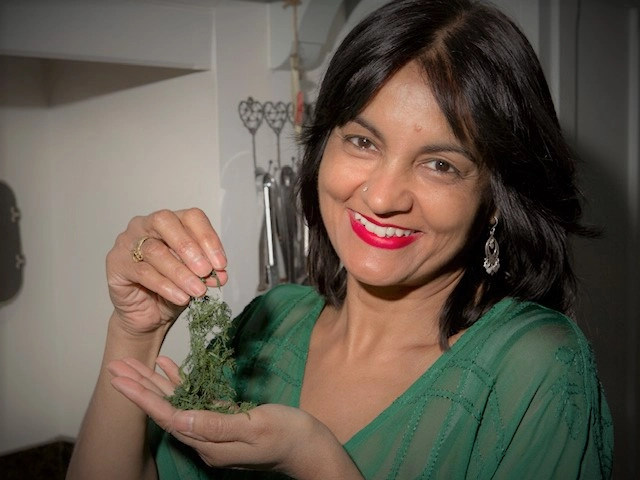
Chef Manika didn’t follow a traditional path into cheffing. With over four years of culinary experience, including work on supper clubs and pop-up restaurants, she carved her own way in.
Along the way, she started selling food at farmers markets — a popular offering, but not quite enough. “You don’t get the immediate feedback or the interactive energy exchange that occurs during an evening of private cheffing,” she explains. The connection was missing. The joy of seeing someone take that first bite — of something you’ve built with your own hands — was what she craved.
Catering followed, after a few private contacts reached out with opportunities. And that’s when things started to click. This wasn’t just about cooking well. It was about being in the room, curating the moment, witnessing the impact. Private cheffing felt instinctively right.
Honouring Her First Love: Indian Cuisine
At the heart of Manika’s food is a deep-rooted love for Punjabi cuisine. Her earliest memories are filled with the scent of coriander, aubergine, daals simmering for hours, and home-grown okra from the garden. These weren’t just dishes. They were memories — powerful ones. They were the language of care she grew up with.
But early on, she noticed a gap in the private dining scene. “I didn’t want to replicate restaurant-style curries or use a generic base for everything,” she says. So instead, she brought what she knew best: slow-building flavours — carefully layered in stages, never using a homogenous curry base or premade mixes. Each dish was built with time and tradition.
As her confidence grew, so did her creativity. Her menus began blending the familiar and the unexpected — Indo-Chinese paneer, spiced salmon, bhaji burgers, and seasonal twists on classic snacks. Her menus stayed rooted in Indian flavours, with creative fusion elements drawn from Thai and Middle Eastern influences. It was still personal. Still her.
A Platform That Fit the Food
Manika began seeking out platforms that could help her reach more of the right clients — those who wanted more than just a meal. That’s where Yhangry came in.
“The platform is great for handling bookings, payments and client communication,” she says. It freed her up to focus on what mattered: designing the menu, crafting the dishes, and delivering an experience.
Her first event through Yhangry was a Mother’s Day lunch, where she served a Beef Wellington — notoriously easy to overcook. But she felt confident. Years of professional cooking had prepared her for moments like this, and now she had a way to bring them to life on her terms.
What Private Cheffing Made Possible
Private dining gave Manika more than just bookings. It gave her room to lead with her heritage. To introduce clients to real Indian food — the kind that doesn’t always appear on restaurant menus, but speaks volumes at the table.
Whether you're hosting a special celebration dinner, looking for a chef during your holiday or weekly meal prep, we will match you to the perfect chefs.
Start hereToday, she creates everything from refined, formal dinners to relaxed, interactive evenings. Each event is shaped by care and customisation, whether it’s ghee-laced chapattis and slow-cooked daals or cross-cultural twists.
For those who want to bring their roots, creativity or individuality to the table, her journey is proof: there is a place for that. And it might just start with one dinner party.
- What certifications or licenses are required to operate as a private chef from home?
-
In the UK, private chefs operating from home must register their food business with the local authority at least 28 days before commencing operations. Additionally, obtaining a Level 2 Food Safety and Hygiene for Catering certificate is typically required, and securing appropriate insurance coverage is advisable to protect against potential liabilities.
- What are the challenges of adapting traditional Indian dishes for private dining settings in the UK?
-
Adapting traditional Indian dishes for private dining involves balancing authentic flavours with modern presentation, often requiring chefs to modify recipes to accommodate dietary restrictions and contemporary plating aesthetics. Chefs must also navigate the expectations of a diverse clientele while preserving the cultural integrity of the cuisine.
- Is formal culinary education necessary to become a successful private chef in the UK?
-
While not mandatory, formal culinary education can enhance a private chef’s credibility and skill set, making them more competitive in the UK market. Institutions like Le Cordon Bleu London offer programs that provide comprehensive training, which can be beneficial for those seeking to establish a reputable private chef business.
- What are the pros and cons of working through agencies versus independently as a private chef in the UK?
-
Working through agencies can provide private chefs with a steady stream of clients and administrative support, allowing them to focus on their culinary duties. However, operating independently offers greater autonomy and the potential for higher earnings, though it requires chefs to manage their own marketing, client acquisition, and administrative tasks.