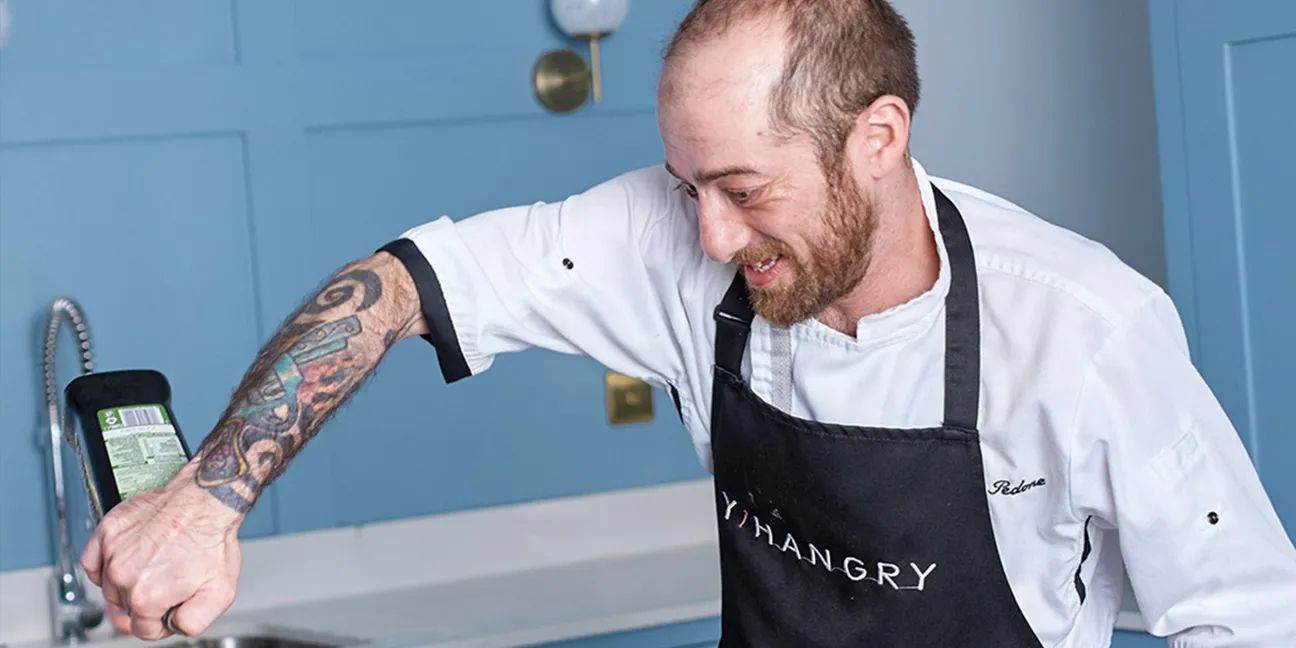
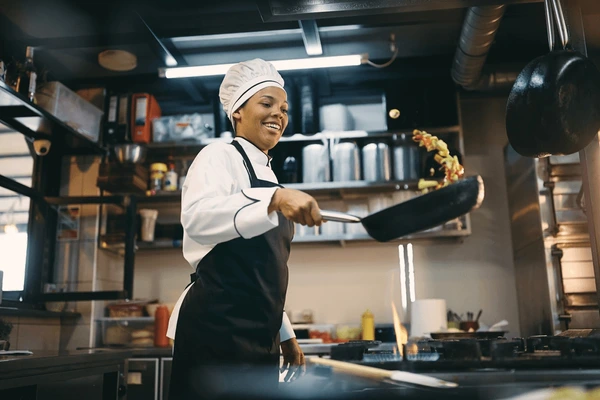
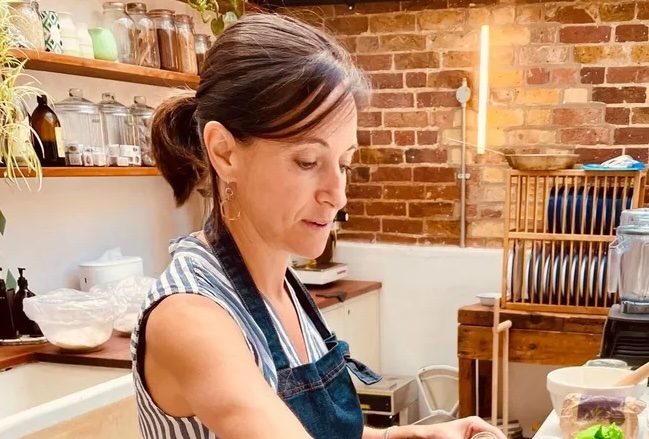
Chef Dan’s Work-Life Reboot Through Private Cheffing
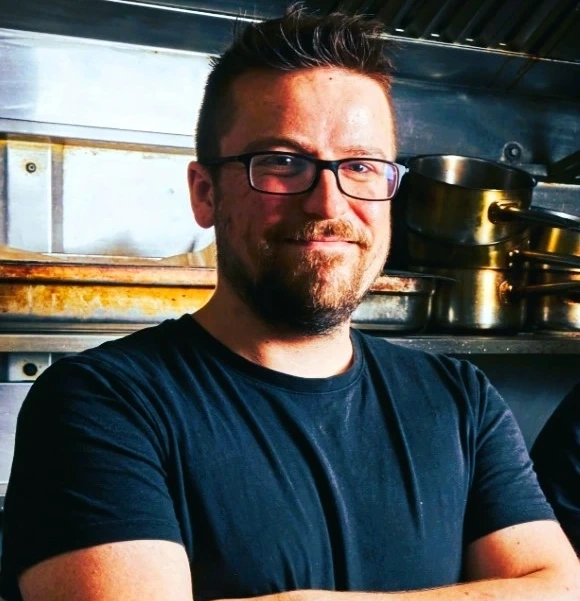
From Kitchen Porter to Michelin-Level Chef
Chef Dan has been working in kitchens since he was a teenager. Washing dishes at age 14 helped fund his studies — a journey that eventually included degrees in History and International Relations, then a Master’s in Modern History. But even as he moved through university halls, the kitchen never left his side.
“I never planned on being a chef full-time,” he says. “It was something I did to pay rent. But I kept doing it… because I enjoyed it.”
Dan’s early years gave him a broad foundation: vegetarian restaurants, Belgian bistros, gastropubs, and Italian delis. But everything shifted when he moved to London and took a role at The Begging Bowl, a Thai restaurant in Peckham. What was meant to be a short stop became the start of a long-standing specialisation.
He later spent seven years at Farang in Highbury, where he helped the restaurant earn Michelin Bib Gourmands five years running as Senior Sous Chef. But long shifts, late nights, and the constant pace took a toll — especially once his daughter was born.
A Conscious Break from the Industry
When his partner, an ICU nurse, was due to return to work after maternity leave, Dan knew something had to give. “Your job’s more important than mine,” he told her. “So I’ll stay home.”
Initially, he went part-time at Farang, commuting from Kent twice a week for 14-hour shifts. But even that wasn’t sustainable. “I wasn’t willing to pay someone else to raise my kids,” he reflects. That conviction became the trigger for something bigger: stepping away from restaurant life entirely and exploring private cheffing as a way to keep cooking while being present at home.
Finding Freedom in Private Cheffing
Dan began slowly, doing one or two private gigs a month. Over time, those jobs grew — and platforms like Yhangry played a role in that shift. “I didn’t want to be working every day,” he says, “but now I’m doing 10 jobs a month — and it works.”
He’s not chasing growth for its own sake. Instead, he’s focused on what private cheffing allows him to do: cook on his own terms, stay close to his family, and lean into the parts of the job he actually enjoys.
With a schedule he controls, Dan now splits his days between being a stay-at-home dad and preparing for private events. Week by week, his kitchen at home becomes a prep hub — ingredients packed in Tupperware, fridge space maxed out, spice racks stocked with hard-to-find essentials like galangal, fermented fish sauce, and dried chillies.
“It took a while to figure out the balance,” he admits. “Especially now that we’ve got a little boy too. But having a support network — family, my partner — that’s what makes it work.”
A Rare Offering for Clients
Dan’s private dining services aren’t just about great food — they’re built around depth. Having trained in Thai kitchens for nearly a decade, he now specialises in lesser-known regional dishes that most clients haven’t seen before.
“There’s this idea of what Thai food is,” he explains, “but it’s often a Westernised version — red curry, Pad Thai, green curry. I love introducing people to things they’ve never tasted.”
He takes particular pride in cooking Northern and Southern Thai dishes — ones without coconut milk, layered with fermented crab or spiced with ingredients from ancient trade routes. His background in history comes through in how he describes them, tying flavour profiles to politics, immigration, and centuries-old spice flows.
Some clients lean in and want to hear the full story behind each dish. Others just want to eat. Either way, Dan adapts. “You learn pretty quickly how to read the room,” he says. “Sometimes I’m just the cook in the background. Other times, they want you to stay the whole weekend and become part of the party.”
Platform Experience and Advice for New Chefs
Yhangry now makes up around 20–30% of Dan’s bookings, with the rest coming from his website and Instagram — where he promotes supper clubs, pop-ups, and weddings. The platform has helped him reach a broader range of clients, especially beyond his immediate local area.
“The reserved job feature is brilliant. Most of the jobs I land now are from people who’ve requested me directly,” he notes.
Whether you're hosting a special celebration dinner, looking for a chef during your holiday or weekly meal prep, we will match you to the perfect chefs.
Start hereHis advice for chefs new to private work? “Treat it like a business. You’re not just a chef. You’re the driver, admin assistant, bookkeeper, everything. And if you’re not organised, you’ll burn out all over again.”
What the Reset Has Meant
For Dan, the shift to private cheffing was never about chasing more money — it was about changing how he lived. He didn’t want to leave cooking behind. He just didn’t want it to take over his life.
Now, with more time at home, less stress, and creative control over his menus, he’s built something many chefs only imagine: a sustainable, rewarding career that fits around the rest of his life — not the other way around.
“I’ve just got a lot more control now,” he says. “And that’s the important bit.”
- How do private chefs manage unpredictable client schedules, especially with last-minute changes or travel plans?
-
Private chefs manage volatility by maintaining flexible prep workflows, advance mise en place, and backup meal plans. Many use client management tools (e.g. HoneyBook, Dubsado) to track changes and sync schedules, while building clauses into contracts for cancellation fees or late reschedules to protect their time.
- What are the pros and cons of being a live-in private chef versus commuting daily?
-
Live-in chefs benefit from immediate access to the kitchen, reduced commuting, and closer client relationships but often sacrifice privacy and fixed work hours. Commuting chefs maintain firmer work-life boundaries, though travel time and access to the client’s kitchen for prep can limit efficiency and spontaneity.
- What strategies do private chefs use to maintain work-life balance during peak seasons or holidays?
-
They front-load prep, limit bookings to key dates, and build in recovery days post-service. Many set seasonal cutoffs and tier pricing for peak demand to reduce burnout while ensuring each job remains financially viable, especially around December and summer wedding months.
- How do private chefs negotiate contracts and ensure fair compensation for their services?
-
Experienced chefs create written agreements outlining fees, payment schedules, cancellation policies, shopping markups, travel reimbursements, and overtime rates. They benchmark pricing against regional market rates and emphasise the value of bespoke service—often including menu development, sourcing, and dietary planning within their day rate.