Chef Stefan: The Accidental Chef Who Went Global
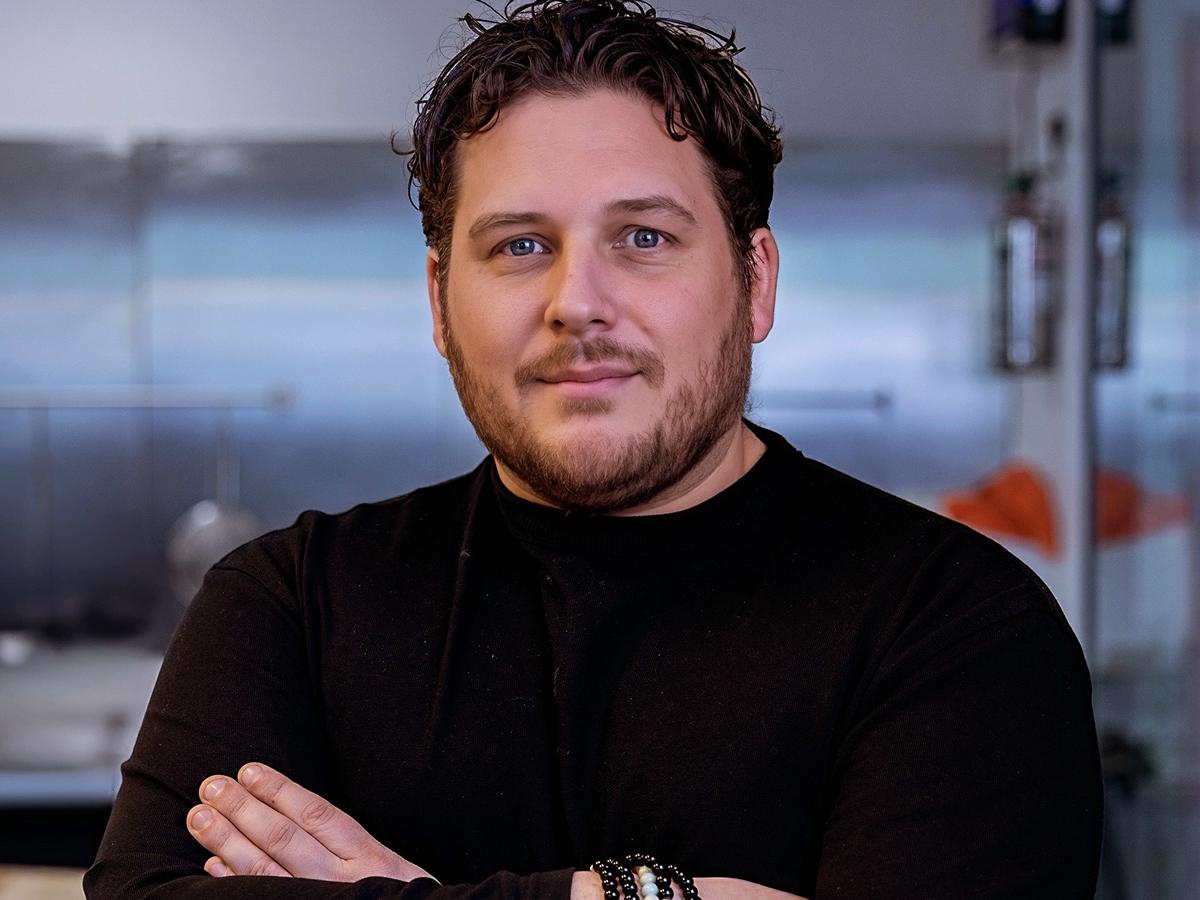
A Last-Minute Favour That Changed Everything
Chef Stefan never meant to become a private chef. In fact, the first time he did it, it was by pure chance. While living in Dubai, he often hosted dinner parties for friends at his apartment. The food was always high-end, fine-dining inspired—just something he loved doing for the people around him. One week, those same friends invited him on a yacht trip. The hired chef didn’t turn up.
“They said, ‘Stefan, you’re a fantastic cook—why don’t you just do it?’ I said, sure, I’ll give it a go. I cooked for 12 people on that yacht. They loved it.”
So much so that a guest asked if he’d chef on another yacht the following week. He agreed—and then another booking followed. What started as a one-off became a full-time path.
“I just kept doing it through word of mouth. I guess I fell into being a private chef by accident.”
From GM to Self-Taught Chef
Stefan didn’t come through the traditional chef route. Most of his early career was spent in front-of-house roles. He was the general manager at Fallowfields, a Michelin-starred hotel and restaurant in Oxfordshire. But before that, at just 15, he worked as a pot-washer in a small restaurant. One hectic service, the chef didn’t have time to plate dishes himself—so he taught Stefan how to do it.
“It was just me and him in the kitchen. He started showing me how to plate food beautifully. I think that’s when it first clicked—how food could look like art.”
Over the last five years, Stefan has taught himself the rest. He’s now known for refined British and European cuisine with global influences, and a particular strength in seafood. And despite having cooked for VIPs and celebrities, he’s still pushing himself. He recently took a hands-on dessert course and is preparing to attend Le Cordon Bleu London.
“I’ve cooked for five years, for big names—but I still feel there’s so much to learn. I’ve never liked desserts, so I never focused on them. Now I am. That’s how you grow.”
Cooking in Dubai, Spain, and the UK: What Shifts
Having worked across three very different private dining markets—Dubai, Spain, and the UK—Stefan has observed how expectations and priorities shift.
- In the UK, guests are very focused on value for money. “People want to feel they got their money’s worth—so the experience has to be flawless. It’s not about extravagance, but about exceeding expectations.”
- In Spain, authenticity is everything. “You can’t improvise too much. If you’re making a traditional Spanish dish, they expect it exactly the way their grandmother would’ve made it. No shortcuts.”
- In Dubai, the pressure is different. “They don’t worry about cost—but it has to be an experience. Instagrammable, theatrical, memorable. I once served gold-plated chocolate spheres that melted in golden syrup. You wouldn’t serve that in the UK—but it’s perfect for Dubai.”
Of all three, Dubai has been his favourite to work in—mainly because of how creatively open the clients are. But he sees the UK market as the one to watch.
“This summer could be the biggest yet for private dining in the UK. The market’s not even halfway to where it could be.”
Personal Touches That Build a Brand
Stefan doesn’t just show up and cook. He makes sure every guest feels like the experience was designed around them. For him, the emotional detail is what turns a good evening into a lasting memory.
“I always try to learn about the client before the event. Sometimes I’ll do a video call with them, just to get a feel.”
And from that, he builds personal touches into the evening:
- For a Polish host, he brought a bottle of rare vodka—sourced directly from Poland—that couldn’t be found in UK shops.
- For others, he’s made custom gifts or table mats featuring their hometown or special memory.
“Anyone can write a guest’s name on a menu. I want to give them something they haven’t seen in years. That’s what they’ll tell their friends about.”
That’s also how Stefan builds his business. He doesn’t run ads. His bookings come almost entirely through word of mouth, Instagram, and return clients—and no two menus are the same.
“Repeat clients never get the same food twice. The storytelling is part of it—someone will say, ‘This chef did something amazing for us,’ and that’s what gets me the next client.”
His seafood menus—rooted in his years living by the coast in Spain—are still his proudest work.
“There’s nothing better than going to the fish market in the morning and choosing fish that’s still alive. That’s when the craft really comes alive.”
Honest Advice for Chefs Breaking In
Many chefs Stefan meets hesitate to enter private dining—not because they lack skill, but because they lack confidence. He hears it often: they’re nervous about high-end gigs, VIP clients, or cooking alone without a brigade.
“You’ve got to remember—clients are just people. If you act unsure, they’ll notice. But if you focus, prep well, and stay calm, they’ll trust you.”
He cooked for Dynamo the magician simply because they bumped into each other on the street in London and struck up a conversation.
Whether you're hosting a special celebration dinner, looking for a chef during your holiday or weekly meal prep, we will match you to the perfect chefs.
Start here“That could’ve been anyone. There’s no rule that says your first booking can’t be a celebrity. If you know what you’re doing, it doesn’t matter.”
For chefs considering the switch, Stefan shares these grounded tips:
- Know your style. “Don’t try to do everything. I don’t do Japanese or Mexican. I stick to what I’m great at—British, French, Mediterranean—and let others specialise in their areas.”
- Build a story. “People want to know why you cook what you cook. If it’s based on where you grew up or who taught you, use that in your branding.”
- Create content. “Start small. I bought a camera that films just my hands cooking. I post to TikTok. Even something simple—like chopping an onion—builds presence.”
- Ask for feedback. “I test my new dishes on chefs at the restaurant where I work. I cook, they taste, they tell me what to improve. That’s how I get better.”
He also highlights Yhangry’s role in building confidence and community.
“What I like most about Yhangry is the network. The chefs, the events, the fact that you can help each other out. It’s almost like a mentorship platform if you use it that way.”
Looking Ahead
Next on Stefan’s path: a formal culinary foundation at Le Cordon Bleu, followed by the launch of two long-term projects—a recipe book and a marketing guide for private chefs. And eventually, he sees himself cooking globally—country to country, client to client—designing his life around movement and creativity.
“I want to create a travelling career. If I plan it right, I could live in a different country every month and still do private dining.”
- How can I build a strong client base as a private chef?
-
Establish a professional online presence with a dedicated website and active social media profiles showcasing your culinary creations and services. Engage with your local community by attending food festivals, farmers’ markets, and networking events to connect with potential clients and industry peers. Encourage satisfied clients to provide testimonials and referrals to expand your reach organically.
- How do I set competitive yet fair pricing for my private chef services?
-
Calculate your costs, including ingredients, travel, preparation time, and overhead, then add a profit margin that reflects your expertise and market demand. Consider offering tiered pricing packages based on the complexity of the menu and number of guests. Research local rates to ensure your pricing is competitive while sustaining your business.
- How can I gain experience if I'm new to the private chef industry?
-
Start by offering your services to friends and family to build a portfolio and gather testimonials. Consider partnering with established private chefs or catering companies to gain hands-on experience. Continuously refine your skills through culinary courses and workshops to enhance your credibility.
- What are the challenges of working in clients' homes, and how can I adapt?
-
Adapting to varying kitchen layouts and equipment requires flexibility and preparedness; bringing essential tools can mitigate unforeseen deficiencies. Maintaining professionalism and respecting the client’s space and privacy are paramount. Effective communication and adaptability are key to navigating the unique dynamics of each household.