Behind the Rise of Female Foodpreneurs in the UK
The Professional Kitchen Wasn’t Built for Them
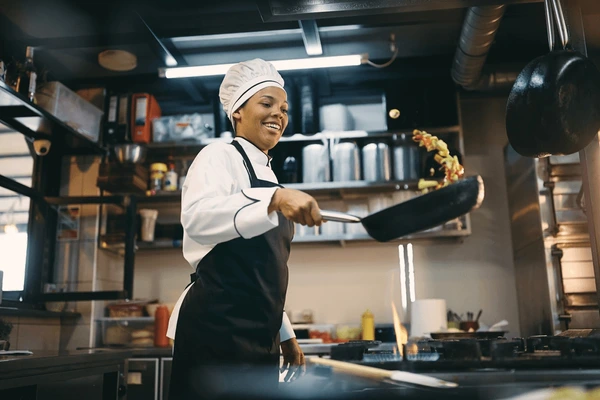
Traditional restaurant kitchens often follow a familiar pattern — long hours, rigid hierarchies, and little flexibility. For many women, especially those juggling other roles outside of work, that structure simply doesn’t fit.
According to a 2024 survey, nearly 40% of experienced female chefs have considered leaving the industry. The reasons are consistent: burnout, stalled progression, and a lack of support in environments where they remain underrepresented.
Chef Melissa knows that reality well. After years working in high-pressure restaurants, she reached a turning point. The job no longer worked for her — so she found one that did.
“Choosing when I want to work, picking my clients — it’s awesome,” she says. “Better than any professional kitchen I’ve worked in.”
Now cheffing privately through Yhangry, she sets her own schedule, works with clients she chooses, and no longer feels bound by someone else’s rota. Her story is not unusual — it’s part of a growing shift.
Private Cheffing as an Alternative — and a Reclamation
For many women, the move into private dining isn’t just about flexibility — it’s about recognition. It places value on something they’ve done for years: cooking well, consistently, and with care.
Private cheffing transforms that traditionally invisible work into paid, visible, professional service. It turns home kitchens into businesses and experience into opportunity.
Chef Shaloma’s story shows what that shift can look like.
“I have been a chef all my life,” she says. “I’m originally from Jamaica, and even as a child I was always in the kitchen, especially at family events — just drawn to it.”
When the pandemic hit, she formalised what had always come naturally. She launched a home-based catering business and began booking events through Yhangry. Four years later, she’s fully booked — proof that skill developed over time can become the foundation for a thriving business.
Other women enter the industry from entirely different backgrounds. Chef Rajika trained as a pilot and worked in HR before turning to food.
“Indian parents think of cooking as a hobby, not a career option,” she recalls.
After moving to the UK in 2022, she started experimenting with small-scale catering. One last-minute Christmas dinner booking through Yhangry gave her the clarity she needed.
“That night I realised I loved doing this.”
Whether it’s a lifelong passion or a newly discovered path, private cheffing is offering women a way to build something meaningful — and on their own terms.
Recognition, Ownership, and Creative Direction
In traditional restaurants, women often remain behind the scenes — rarely visible to diners, and even more rarely seen leading. Despite their experience and talent, leadership roles have remained elusive. Today, only 6% of Michelin-starred restaurants in the UK have a female head chef.
Private cheffing offers a very different experience. It puts chefs at the centre of their work. They’re in direct contact with clients, creating their own menus, and delivering every dish face to face. The connection is personal — and so is the recognition.
Chef Lauren had always been the one cooking for family and friends. Now, she’s built a business around it.
“I was always the one cooking for family dinners. Now I’m being paid well to do the same — but at a higher level.”
She stepped away from the restaurant world and carved out her own space, managing her own bookings and building long-term client relationships.
For others, the shift is intentional from the start. Chef Caitlin went straight into private dining after graduating from Ashburton Chefs Academy. She crafts seasonal menus, sources ingredients locally, and transforms holiday rentals into fine dining experiences.
“The feedback is immediate. The connection is personal,” she says.
In this space, creative control isn’t something you fight for — it’s built in.
Work That Supports Real Life
The appeal of private cheffing also lies in its practicality. It offers something many jobs in hospitality can’t: flexibility without compromise.
Most bookings happen on weekends or evenings, leaving space during the week for family, rest, or other projects. That structure matters — especially for women managing multiple responsibilities outside of work.
Whether you're hosting a special celebration dinner, looking for a chef during your holiday or weekly meal prep, we will match you to the perfect chefs.
Start hereIn the same 2024 survey, 52% of female chefs with children said that flexible hours were essential to staying in the industry. Without it, many would walk away altogether.
Private dining offers an alternative. Some chefs take on just a handful of well-paid events each month. Others scale into full-fledged operations. Either way, they set the pace. And in doing so, they make the work sustainable.
This isn’t just about work-life balance — it’s about building a career that can last.
This Isn’t a Side Hustle. It’s a Redefinition.
This quiet movement isn’t about stepping back. It’s about stepping into something new — and fully owned. Women aren’t waiting to be invited into outdated systems. They’re building their own, with purpose, skill, and clarity.
At Yhangry, we’ve seen this growth firsthand. More women are joining the platform each week — and they’re not just signing up. They’re thriving. Many are building loyal client bases, expanding into catering, and creating dining experiences that reflect their culture, creativity, and voice.
Getting started is simple. All it takes is uploading a profile picture, a few photos of your food, and one sample menu. That’s enough to go live and start receiving bookings.
You won’t be alone in it, either. You’ll be joining a growing, supportive community of chefs who share ideas, uplift each other, and believe there’s a better way to work in food.
- Can women with part-time availability still thrive in private cheffing?
-
Yes—many foodpreneurs book just a few high-quality events per month, allowing them to balance work with childcare, studies, or another job while still earning a solid income.
- Are there opportunities to scale from solo cheffing to larger catering businesses?
-
Yes—many private chefs start solo and later expand by hiring support staff, renting commercial kitchens, or offering event catering, often growing through repeat clients and referrals.
- Can I run a private chef business from my home kitchen?
-
Yes, but you must register your kitchen with your local council and pass a hygiene inspection if you’re prepping food at home for clients.
- Do I need to provide table service or just the food?
-
It depends on the client. Some expect full service, while others prefer drop-off style—you should clarify expectations before accepting the booking.