How Chef Nicole’s Plant-Based Menus Earned Her a 100% Review Rate on yhangry
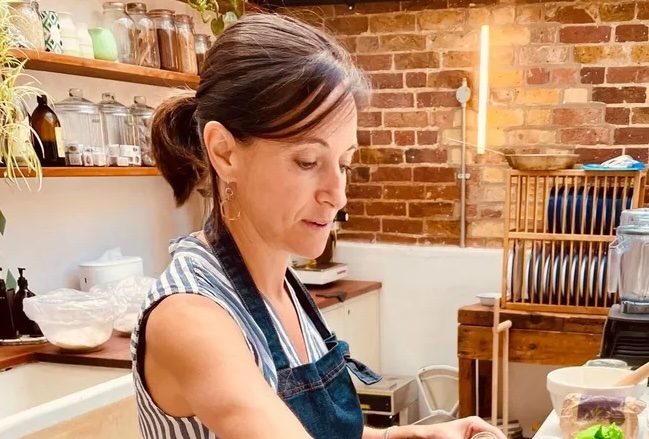
In today’s food landscape, the demand for plant-based and vegetarian cuisine has surged, with many seeking out healthier, more sustainable dining options. yhangry chef, Nicole shares her inspiring story and how it has shaped her approach to menu planning, dietary inclusivity, and creating satisfying meals whilst getting a 100% review rate on yhangry.
A Passion for Plant-Based Living
Nicole’s journey into specializing in plant-based cuisine has been deeply personal and inspired by her dietary choices. She has been vegetarian since the age of 13 and gradually transitioned to a more plant-based lifestyle over the years.
“My motivation stems from both an animal welfare and health perspective, with a broad understanding of why many people choose vegetarian or plant-based diets. For me, all of these reasons align with my values, inspiring me to explore this path.”
Her love for cooking has always been a central part of her life, but it wasn’t until she moved to Australia that she began focusing on plant-based cuisine. After returning, Nicole also took a transformative course at the Retreat Chef Academy in London, which gave her the skills and knowledge to fully embrace plant-based cooking. Nicole’s love for travel and the opportunity to work on wellness retreats around the world further shaped her career. A year ago, Nicole found Yhangry, which has helped her connect with clients seeking unique plant-based dining experiences and grow her business.
The Secret to Satisfying Plant-Based Meals
Nicole believes that much of the resistance to plant-based meals comes down to mindset-
“A lot of people panic when they realize there’s no meat in a meal, and I’ve definitely seen that on retreats.
But over time, their mindset shifts. She follows a certain formula where combining protein sources like grains, seeds, nuts, and legumes creates the nutrition needed for fullness, making meals more satisfying:
- Oats for breakfast: Add chia seeds and flaxseeds to oatmeal to boost protein and keep people feeling fuller for longer.
- Salad with tofu: Add tofu to a salad, then sprinkle toasted seeds on top, or blend tofu into the dressing to make it less noticeable but still provide the nutritional benefits.
- Protein balance: Use a mix of grains, seeds, nuts, and legumes to create the necessary nutrients for protein, keeping people satisfied.
- Gradual introduction: Introduce plant-based meals slowly, especially if people are new to the idea, allowing them to adjust their mindset.
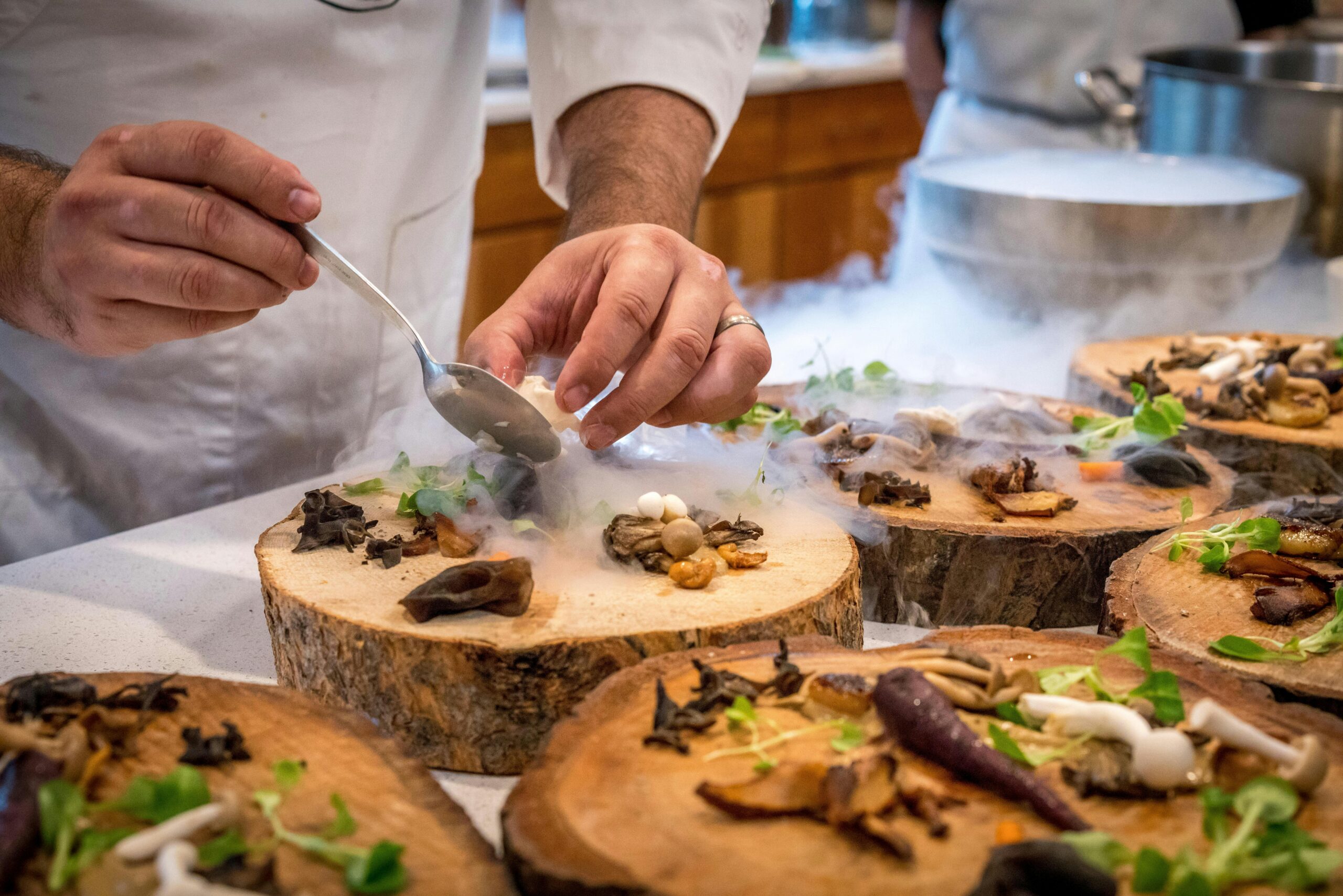
- Visual appeal: “People eat with their eyes. If you make a dish look good, they’re already halfway there.”
Inclusivity and Dietary Awareness
Nicole’s experience working on wellness retreats and yhangry has also deeply influenced her approach to accommodating a variety of dietary needs. She emphasizes the unpredictability of working with plant-based cuisine, especially when catering for yhangry bookings.
“It’s always a different experience each time, but I’ve learned you’ve got to be prepared for anything. There are always food intolerances or allergies to consider.”
Here’s a breakdown of Nicole’s approach:
- Nut alternatives: Use sunflower seeds instead of cashews or walnuts to create creamy textures for those with nut allergies.
- Gluten-free options: Create bread or crackers using seeds like flaxseed, making sure they’re gluten-free and nutritious.
- Adapt recipes: Use buckwheat or chickpea flour for pancakes, offering a similar texture and taste without gluten.
- Always be prepared: Keep spare ingredients or dishes ready for emergencies or unexpected guests with special dietary needs.
“Over time, I’ve learned different ways to make dishes that suit everyone. I also keep a backup meal ready just in case someone arrives unexpectedly with specific needs. It’s always easy to whip something up when I need to, and I’ve had plenty of situations where I’ve had to do just that to make someone happy.”
Nicole’s Signature Sourdough
One of the standout elements of Nicole’s menu is her sourdough, which has become a signature offering. Nicole learned how to bake sourdough during the lockdown, and since then, it has played a major role in her business.
Nicole now also teaches sourdough classes and incorporates sourdough into her retreat menus, offering it with different toppings or as crackers alongside cheese boards. For her yhangry bookings, she even personalises the sourdough, adding initials or hearts for special occasions.
“It’s such a great way to offer something homemade and special instead of store-bought crackers. I also enjoy personalising sourdough; if it’s someone’s birthday, I’ll add their initials and a little heart to the loaf. It’s a small but meaningful touch that people really appreciate.“
How yhangry Helps Nicole Connect with the Right Clients
A year ago, Nicole found Yhangry, which has helped her connect with clients seeking unique plant-based dining experiences and grow her business. The platform has been great for Nicole because people specifically looking for vegetarian or vegan food often find her.
“The clients I’ve worked with through yhangry have always been so appreciative of the variety I bring and the passion I put into my dishes. It’s been a pleasure meeting so many lovely people, and the gratitude from my clients is the best part of it all.”
At restaurants, she often sees the same mushroom risotto or gnocchi with burnt butter—standard, uninspired options. Nicole, on the other hand, offers a wide variety of creative and thoughtful vegetarian and vegan dishes.
“I think there’s a real difference between chefs who do everything but will also offer vegan and vegetarian dishes and someone who specialises in just those options. For me, my clients are so happy to have someone who really understands vegan and vegetarian cooking.”
Whether you're hosting a special celebration dinner, looking for a chef during your holiday or weekly meal prep, we will match you to the perfect chefs.
Start here
Chefs Wanting to Explore Plant-Based Meals
Nicole’s experience has shown her that the key to successfully incorporating plant-based meals into your menu is creativity and trust.
“I’ve never had anyone hungry. The combinations of foods and the variety in how they’re presented always leave people happy and satisfied, even when they weren’t expecting it.”
- Trust your ability: Don’t be afraid to experiment with plant-based dishes. You know how to create good food – just apply the same principles with new ingredients.
- Read reviews for reassurance: Nicole suggests looking at feedback from your past plant-based or private catering jobs. Positive reviews can help reinforce your confidence.
- Expect some surprise: Many guests are skeptical about plant-based meals. But when they try them, they’re often surprised at how delicious and satisfying the food is.
- Presentation is key: People eat with their eyes first. If the dish looks appealing, it’s already halfway to winning them over.
- Don’t be afraid to challenge expectations: Nicole once did a vegan tasting menu for a 70th birthday. The non-vegan guests didn’t expect much, but by the end, they were amazed at how good it tasted.
It’s not just about preparing plant-based dishes; it’s about finding the right balance of flavors and textures that feel just as satisfying as traditional meals. With these tips, chefs can introduce plant-based meals without the fear of disappointing their guests, and instead, they’ll likely surprise and satisfy them.
- How can I make plant-based meals as a chef without compromising on flavor or presentation?
-
As a chef, focus on using a variety of herbs, spices, and umami-rich ingredients like nutritional yeast, mushrooms, and miso to elevate your plant-based dishes. Experiment with different textures—crispy, creamy, and hearty elements can help create balanced, satisfying meals. Roasting and grilling vegetables also bring out deeper flavors, while plating beautifully with fresh herbs or vibrant garnishes will make the dish pop.
- What are some common misconceptions clients might have about plant-based meals?
-
Clients may worry that plant-based meals lack protein or flavor. As a chef, it’s key to highlight the richness of plant-based options like legumes, tofu, tempeh, and seitan, which are packed with protein. Additionally, showcasing the variety of textures and flavors, from crunchy salads to creamy soups, helps shift the focus away from the misconception that plant-based meals are “bland” or “boring.”
- How can I ensure my plant-based meal is nutritionally balanced for clients?
-
To create balanced plant-based meals, include a variety of protein sources (e.g., beans, lentils, quinoa), healthy fats (e.g., avocado, nuts, seeds), and fiber-rich vegetables and grains. Be mindful of important nutrients like Vitamin B12, iron, and calcium, and consider using fortified plant-based products when needed. Offering a range of textures—crispy, creamy, and fresh—ensures your meals are not only nutritious but also satisfying.
- How can I incorporate plant-based options into my regular menu?
-
Start by offering a few plant-based options as part of a rotating menu, such as seasonal vegetable dishes, grain bowls, or plant-based versions of classic comfort foods. You can also experiment with popular plant-based trends like “meatless Mondays” or vegan tasting menus to appeal to clients who are curious but may not be fully committed to a plant-based lifestyle. Engaging with your customers about the benefits of plant-based eating, especially regarding sustainability and health, can also boost interest.
- What should clients know when starting a plant-based diet?
-
Clients new to plant-based eating should know that it’s not just about eliminating meat—it’s about focusing on whole, plant-based foods that are nutrient-dense. Starting with simple meals like veggie stir-fries, grain bowls, and smoothies is a great way to ease into plant-based eating. For those concerned about nutrition, it’s essential to balance meals with protein-rich options like legumes, tofu, and quinoa while incorporating plenty of vegetables, fruits, and whole grains.
- How do I cater to clients with specific dietary restrictions (e.g., gluten-free, soy-free) while offering plant-based meals?
-
As a chef, it’s crucial to understand and accommodate dietary restrictions by offering alternatives. For example, if a client is soy-free, opt for chickpeas, lentils, or seitan instead of tofu. You can also use gluten-free grains like quinoa, rice, or gluten-free pasta for those with gluten sensitivities. Make sure to clarify any dietary restrictions with clients beforehand to ensure their plant-based meal meets their needs and preferences.