From Zero to 210 Private Gigs: How Chef Darek Built a Whole Side Hustle in Liverpool
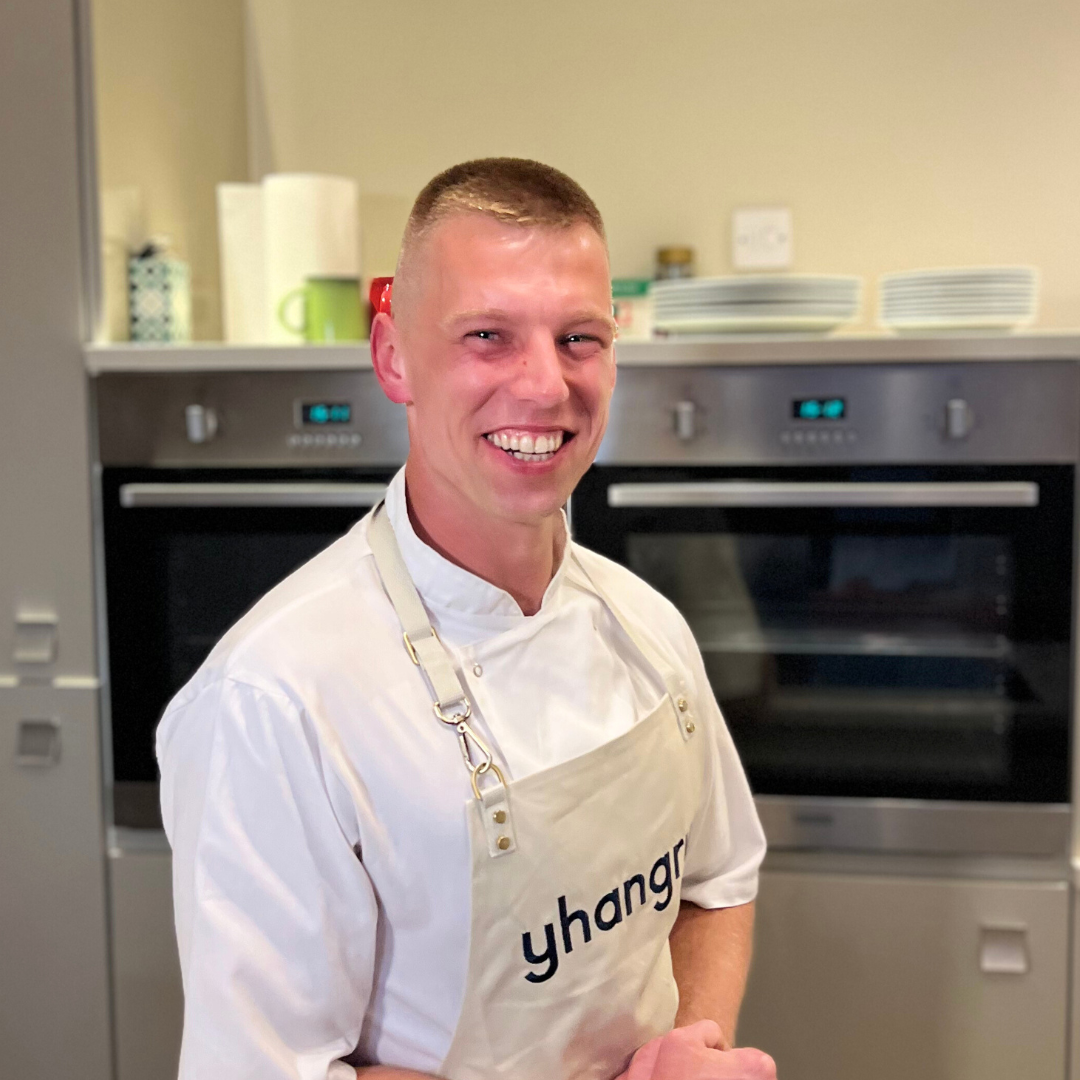
A Foundation Built in Professional Kitchens
Before stepping into clients’ homes, Chef Darek spent over 15 years honing his craft in Liverpool’s top restaurants, including Lunya, The Monro, and The Hiltons. During this time, he mastered every section of the kitchen, from grill to garnish, building a strong foundation in fine dining and a deep understanding of the full kitchen experience. His move into private dining wasn’t about leaving restaurants behind; it was about adding a new layer to his career: to explore private cheffing as a side gig.
I’ve always been a self-starter — whatever I’ve done in my career, I’ve built on my own.
Finding yhangry felt like the natural next step, offering him the chance to expand his culinary horizons. For Darek, and many chefs like him, private cheffing isn’t a replacement for restaurant life—it’s a way to grow, explore new creative spaces, and enjoy more flexibility without stepping away from the kitchen completely.
Private Cheffing as a Side Gig
When you’re in private dining, it’s just you from start to finish — from cooking to cleaning. You’re fully accountable, and that pushes you to be your best. In restaurants, I learned to listen and not pretend to know everything; I stayed in restaurants for years to learn every section properly
The skills learned in a structured kitchen environment, where efficiency and teamwork rule, become an asset when working alone. Darek also credits his restaurant work with teaching him how to be adaptable — an important trait when managing both restaurant shifts and private gigs.
When you’re on your own, everything falls to you. It can be stressful, but it pushes you to be thorough, and that makes private cheffing much smoother.
Darek continues to apply that mindset in his private dining gigs, where precision and self-reliance matter. Chef Darek’s tips for balancing both worlds:
- Maximise Your Flexibility: Take on private gigs that work around your restaurant shifts. Evening or weekend opportunities can offer a good balance to your restaurant schedule.
- Time Management is Key: Organise your prep work around your restaurant hours. Efficient use of off-hours means you can keep up with both restaurant and private bookings.
- Stay Organised: Set up clear schedules for both restaurant and private gigs. Darek finds that being organised, from prep to service, is key to succeeding at both.
Focus on Quality Control: Whether you’re in a restaurant or at a private event, treat every service with the same level of care. Excellence in both environments builds a strong reputation.
Food With a Face
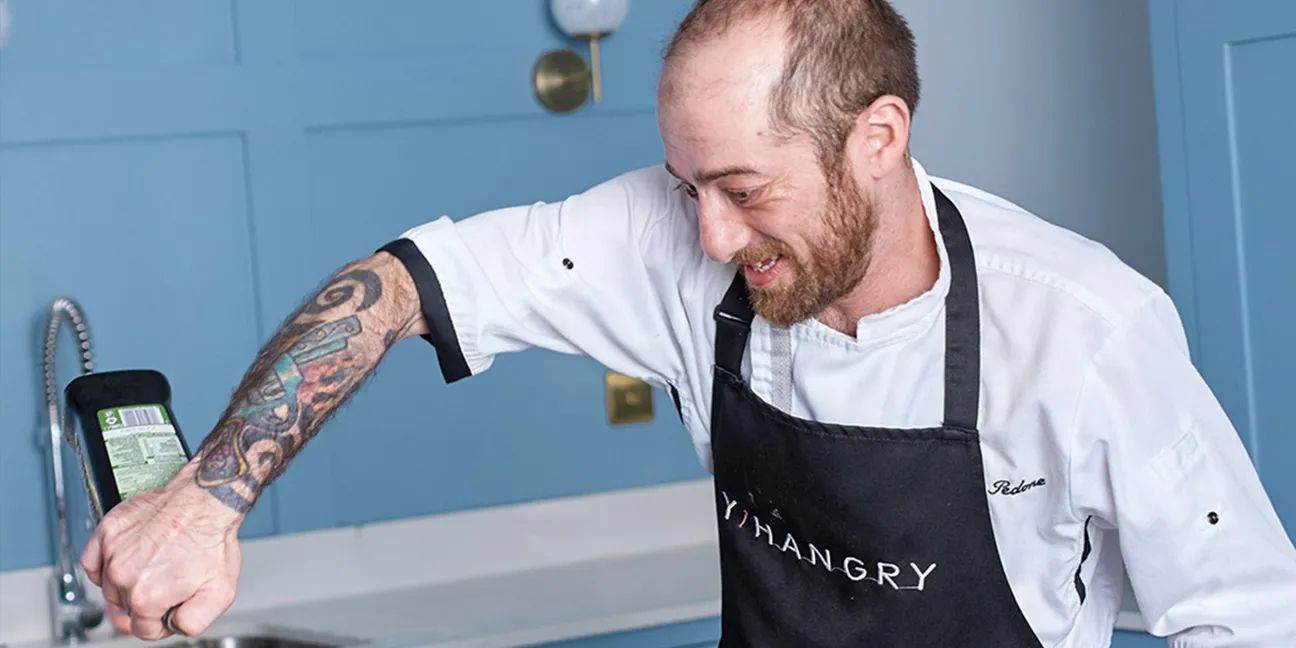
Unlike the anonymity of restaurant kitchens, where chefs rarely interact with guests, private dining allows chefs to build direct, meaningful relationships with clients. Darek has found this aspect of the jobs at yhangry particularly rewarding.
I’ve built some great connections with clients at yhangry — they make you feel appreciated. As a private chef, your confidence grows. Every client is different, but when you find that connection, it’s really fulfilling
In many ways, this interaction is a reminder that food is more than just a meal — it’s an experience. These connections are a huge motivator in private cheffing, where the feedback is immediate and personal.
- Engage with Clients: Get to know your clients during your private gigs. Building rapport means they’re more likely to return, and often refer you to others.
- Ask for Feedback: Always seek feedback, whether you’re in a restaurant or at a private event. Positive or constructive, it will only help you improve and grow.
The satisfaction from these direct connections is something that’s hard to replicate in a restaurant setting, where the guest-chef divide often keeps chefs behind closed doors. For Darek, these one-on-one interactions at yhangry bookings are some of the most fulfilling aspects of his work.
Lessons That Travel
“I’ve always tried to understand the ‘why’ behind things. If you’re organised and thorough, private cheffing becomes much smoother. Private cheffing isn’t a ‘side hustle’ for me – it’s something that adds value to my career, offering opportunities I wouldn’t have had otherwise”
Whether you're hosting a special celebration dinner, looking for a chef during your holiday or weekly meal prep, we will match you to the perfect chefs.
Start here
That discipline learned in professional kitchens has translated well into freelance work, where everything — from prep to presentation — matters more than ever. What makes Darek’s perspective stand out is his respect for both sides of his career.
For chefs looking to try private cheffing as a side gig, the key lies in finding the right balance — restaurant work offers stability, but private gigs allow for personal growth and creative freedom. With the growing demand for private chefs, many see these two worlds blending seamlessly over time.
- Start Slow, Then Scale: Build your private client base over time. You can use restaurant shifts to support your transition, taking on private gigs as your schedule allows.
- Leverage Your Restaurant Network: Often, your best private client leads will come from your restaurant network. Keep connections strong to help fill in your freelance calendar.
For Darek, it’s about balance, respect for the craft, and building relationships that go beyond just the food on the plate. “Yhangry brings the clients, I bring the food and the service,” he reflects. “When that clicks, everyone’s happy.”
- Can you be a private chef and still work in a restaurant?
-
Yes, many chefs balance both. Working in a restaurant provides consistent income and a team environment, while private cheffing offers creative freedom, flexible hours, and direct connection with clients. With good time management and communication, chefs can do both successfully — often using weekends or days off for private events.
- Is private cheffing worth it as a side hustle?
-
Absolutely. Private cheffing can be lucrative, especially for chefs looking to increase income, build a personal brand, or gain more freedom with their menus. It’s also a great way to explore entrepreneurship without giving up the security of a salaried role right away.
- How do you get started as a private chef in the UK?
-
Start by building a simple portfolio (menus, photos, experience), then sign up to platforms like yhangry that connect chefs with clients looking for at-home dining. Leveraging your restaurant network for referrals, getting social media presence, and collecting client reviews can also help build momentum.
- What’s the biggest difference between private cheffing and restaurant work?
-
In restaurants, chefs usually work within a team and a set menu. In private cheffing, you’re often solo — responsible for everything from menu design to clean-up. But the creative freedom, client interaction, and ownership over your service are unmatched.
- Is there demand for private chefs outside London?
-
Yes — while London has a high concentration of events, there’s growing demand in cities like Liverpool, Manchester, Birmingham, and across the South West and Yorkshire. Clients in smaller towns are increasingly looking for unique dining experiences at home, especially for birthdays, hen parties, anniversaries, and family holidays.
- How do you find clients as a freelance chef?
-
You can find clients through online platforms like yhangry, Instagram, referrals, and local event listings. Being visible on chef marketplaces helps you access high-intent customers who are actively looking to book. A strong profile, clear pricing, and fast response times can help you stand out.
- What’s it like working as a freelance chef?
-
Freelance chefs often enjoy greater autonomy and the chance to form meaningful connections with clients. Unlike restaurant settings, you’re responsible for the full experience — from menu creation to execution.