How Yhangry Helped Chef Lauren Launch Her One-Woman Business
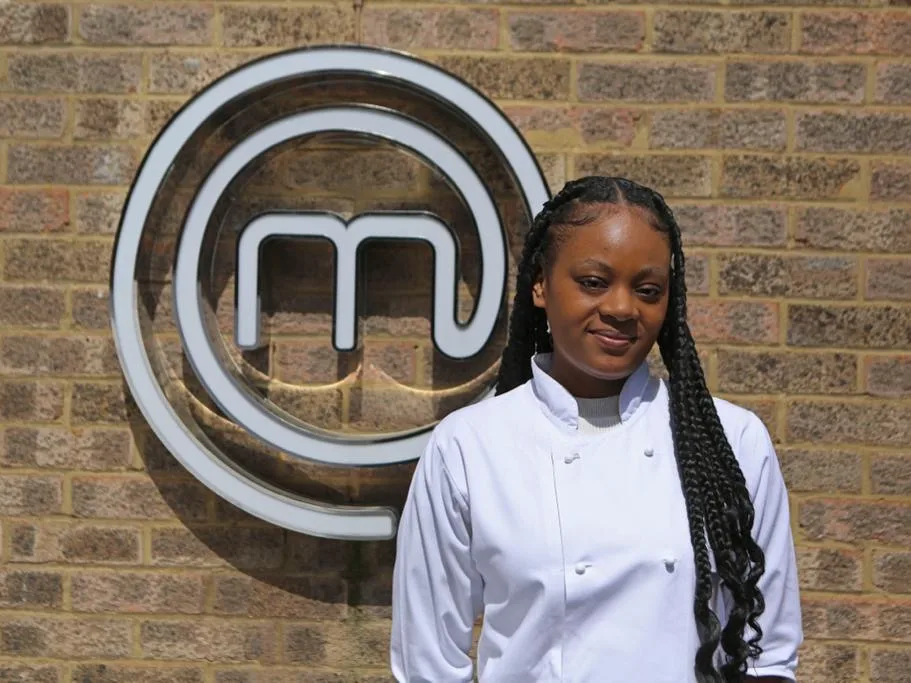
From Fine Dining to Finding Her Own Flow
For over a decade, Chef Lauren carved out her path in some of London’s most respected kitchens — from the high standards of 34 Mayfair to a pop-up under the Roux family at Wimbledon. Her skills earned national attention when she reached the semi-finals of MasterChef: The Professionals in 2023.
But her biggest shift wasn’t on camera. MasterChef gave her a new kind of confidence — not just in cooking, but in connecting with diners directly. It reignited an idea she’d been exploring for years: turning private dining from a side hustle into a full-time venture.
She’d been juggling events on weekends while holding down restaurant shifts. Time off had to be negotiated or taken unpaid. In early 2024, she decided to commit fully to working independently.
“I wasn’t happy where I was. Some jobs were great, but I knew I was ready to work for myself.”
The Platform That Helped Her Go Solo
When Lauren began looking for private chef platforms, Yhangry was the first to appear — and the first she joined.
“I typed it in and it came up straight away,” she recalled. “It was easy to set up, and the first booking came not long after.”
One of the initial events — a Christmas dinner — marked a turning point. Unlike earlier gigs for friends-of-friends, this was a booking from a stranger. “I was nervous. But having Yhangry behind me gave me confidence. I knew the platform was there if anything went wrong.”
It went smoothly, and more bookings followed. Today, Lauren handles 3–4 jobs each week, including a recurring client. She’s been able to sustain herself fully from private work, without needing restaurant shifts as backup.
The Reality Behind the Bookings
Lauren’s days are long and carefully planned. A typical service day begins at 6 AM, with early deliveries and a prep list ready from the night before.
She builds her workflow around lists — not just for ingredients, but also for:
- Prep timelines
- Equipment and plating
- On-site tasks
- Custom menu cards with personal touches
“I have a list for everything — from ordering to plating. Once I tick something off, I move to the next. It helps me stay focused and not forget anything.”
When she arrives at a client’s home, she confirms details again — guest numbers, timing, any changes. Kitchens vary widely: some are compact, some outdoor, some less equipped than expected. She’s learned to adapt quickly, without losing composure.
Cooking for the Unexpected
One of the toughest aspects of private dining is dealing with last-minute changes — especially allergies or missing information.
“I always try to keep ingredients separate where I can. And I’ve started using things like flax seeds instead of eggs — they’ve saved me more than once.”
She recalls a client who only realised days before her birthday dinner that she had an egg allergy. Lauren didn’t panic. “I just said, give me a couple of days, and I’ll find something that works.” She reworked the dessert using ground flax seeds — and the result was so good, it became part of her regular recipe toolkit.
These moments reflect how she blends creativity with problem-solving. Dietary restrictions aren’t roadblocks — they’re design briefs.
“I cook for a family every week who have strict requirements. It’s pushed me to learn more, and figure out how to make everything still taste amazing.”
Mastering the Business, Alone
Running a one-woman business means being more than a chef. Lauren handles her own scheduling, communication, shopping, setup, and cleanup. She’s the entire operation — and has built systems to match.
“You have to be honest: are you organised enough to do this? If not, it shows.”
She’s clear-eyed about the demands. A full-day booking often means another day of prep. For larger groups, two bookings a week might be her limit. For smaller events, she can take on more — but only if she manages the workflow precisely.
“You become HR, admin, event planner, sous chef, KP — all of it. It’s not easy. But I’m happier now than I ever was in a full-time kitchen job.”
Lauren credits Yhangry with helping her get properly started and stay booked.
Whether you're hosting a special celebration dinner, looking for a chef during your holiday or weekly meal prep, we will match you to the perfect chefs.
Start here“It’s done what it says on the tin,” she said. “It’s helped me get regular jobs and keep things going.”
Her Advice: Think Like a Business
Lauren is honest about the challenges. This isn’t a shortcut to a flexible lifestyle — it’s a demanding shift in mindset.
“If you think restaurant work is hard, try doing everything yourself.”
But for those who love food, love people, and value autonomy, it’s deeply rewarding. Her key advice?
- Know your limits — and plan around them
- Build strong systems early
- Treat every event like a brand moment
- Stay curious, calm, and customer-focused
At the heart of it, Lauren’s drive is simple.
“I just love feeding people. Seeing someone enjoy what I’ve cooked — that makes all the effort worth it.”
- How should I structure my pricing for different services like meal prep, dinner parties, and weekly clients?
-
Pricing should reflect the complexity and time investment of each service. For instance, multi-course plated events may start at £100 per person, while family-style meals could be priced lower. It’s recommended to avoid hourly rates to prevent disputes and instead offer flat rates based on the service provided.
- What licenses or permits are required to operate legally as a private chef in various regions?
-
In the UK, private chefs must register their food business with the local authority at least 28 days before commencing operations. Compliance with food safety and hygiene regulations is mandatory, and regular inspections may be conducted to ensure standards are met.
- What are the best practices for sourcing and managing ingredients for diverse client needs?
-
Establishing relationships with reliable suppliers and staying informed about seasonal produce ensures quality ingredients. Understanding clients’ dietary requirements and preferences allows for tailored menu planning and efficient inventory management.
- What are the pros and cons of working through a staffing agency versus independently?
-
Working through a staffing agency can provide a steady stream of clients and handle administrative tasks, but may limit autonomy and reduce earnings due to agency fees. Operating independently offers greater control over services and pricing but requires more effort in client acquisition and business management.