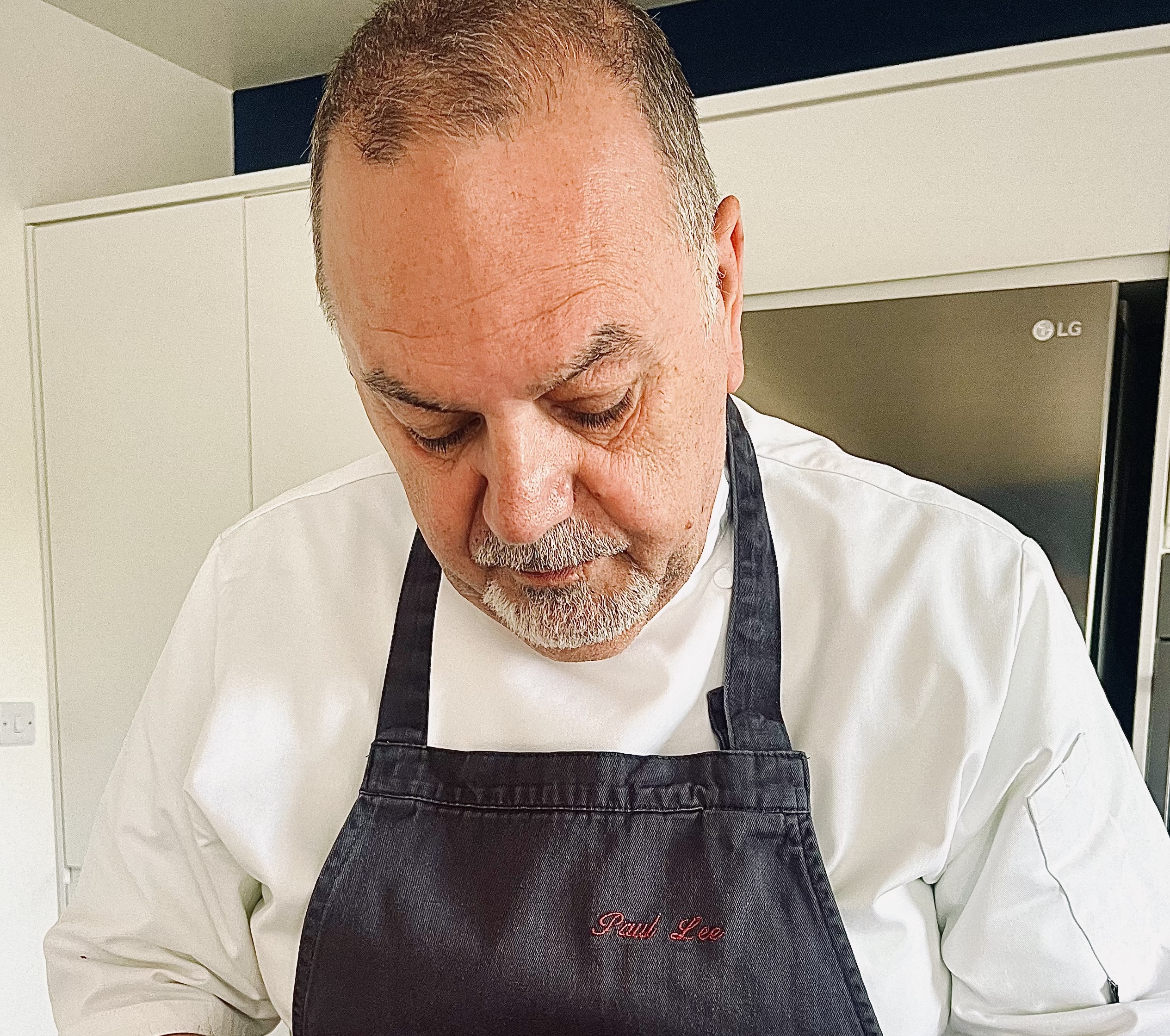
How Yhangry Gave Chef Harrison a Way to Go Solo—Part-Time
Learning the Craft: From Early Kitchens to Fine Dining
At 14, Chef Harrison was already working in pub kitchens, laying the groundwork for a career that would take him into some of Britain’s most respected culinary institutions. Over time, he moved through cafés and casual restaurants before making the leap into fine dining.
His shift into high-end kitchens began at Heckfield Place, where he spent two years immersed in seasonal cooking and sustainable sourcing. “That sort of aligned with what I like,” he reflects. It deepened his passion for thoughtful, ingredient-led food.
Later, he joined the team at L’Enclume and Rogan & Co in Cumbria, gaining experience in Michelin-level precision under acclaimed chefs like Simon Rogan and Tom Barnes. But as rewarding as the work was, he found himself craving something more personal—an outlet where he could cook with greater autonomy.
Why Private Dining? Creative Freedom, Personal Vision
“When you’re working at that level, you’re doing someone else’s food,” Harrison explains. “You’re just sort of saying ‘yes, chef’ and getting it done.”
He began to explore ways to cook on his own terms—without leaving the restaurant world altogether. Private dining offered a path to do just that. He saw it as a way to build a portfolio, experiment with dishes, and prepare for future opportunities like yacht work, where personal culinary identity matters.
“It was actually just a matter of expanding my own repertoire and showcasing it really,” he says. “Put myself out there to see whether people like my food.”
The challenge? Knowing where to start.
Starting Small: First Bookings Through Yhangry
Harrison had always been interested in private work, but the practical steps felt murky. “I’d been looking at private clients,” he recalls, “but it was just a bit messy online. I didn’t really know where to start.”
That changed when he discovered Yhangry. Through the platform, he booked his first real private dining event: a three-course meal for two people. “I just chose an easy booking to start—not bite off more than I could chew,” he says.
It was a low-stakes introduction. He cooked solo while the clients relaxed nearby. “They loved it,” he says. Their positive feedback gave him the confidence to accept larger events—first a Christmas dinner, then a 22-person gathering.
The biggest booking to date taught him about limits. “Don’t overpromise,” he reflects. “You’ve only got two hands.”
Balancing Bookings With a Full-Time Chef Role
Harrison now caps his availability at two private bookings per month. “I want to make sure I’m giving a good experience,” he says, “and I don’t want to be killing myself at the same time.”
He prepares meticulously, leaning on habits formed in professional kitchens: mise en place lists, early prep, and clear organisation. “On the day, you should only be doing what has to be done on the day—like slicing apples so they don’t go brown.”
That prep mindset also helps him avoid waste. He recalls making a barbecue sauce for an event that cost around £50—only to realise no one touched it. “It’s one of those things where you think, how much work do I really need to be putting in?”
Yhangry’s Role in Reducing Friction and Building Confidence
Yhangry played a key part in getting his side hustle off the ground. “It helped take the friction out,” he says. The platform simplified client acquisition, removed guesswork, and let him focus on the food rather than the logistics.
“Before, I didn’t know where to look or if it was even safe,” he adds. With Yhangry’s support, he was able to test ideas, refine processes, and grow his reputation—all while keeping his full-time job.
Whether you're hosting a special celebration dinner, looking for a chef during your holiday or weekly meal prep, we will match you to the perfect chefs.
Start hereAdvice for Chefs Considering a Private Dining Side Hustle
For chefs looking to branch out, Harrison’s advice is simple: start small, plan thoroughly, and don’t try to recreate restaurant-level complexity when you’re working solo. “You can’t do Michelin star food by yourself unless you bring in a team—and then you’ve got to budget for that.”
He also recommends keeping menus manageable and aligned across bookings when possible. “If I’m doing two in a month, I’ll try to make them similar so I can compress the prep,” he explains.
While he doesn’t see private cheffing as a full-time career just yet, it’s an important part of his long-term path. “I’m doing it to build my portfolio,” he says. “Once I’m more ready and can offer what I want full-time, I might do that.”
For now, it’s a way to stay creative, grow independently, and serve food that’s truly his own.
- How should I handle taxes as a self-employed private chef?
-
Register as self-employed with HMRC and maintain detailed records of income and expenses. Utilize accounting software or consult with an accountant to ensure accurate tax filings and to take advantage of any allowable deductions.
- Is it necessary to have a formal culinary education to succeed as a private chef?
-
While formal education can enhance skills and credibility, many successful private chefs have built their careers through hands-on experience and self-directed learning. Demonstrating culinary proficiency and professionalism often holds more weight with clients than formal credentials.
- How can I build a client base for my private chef business, especially when starting from scratch?
-
Start by offering services to friends and family to gain initial experience and referrals. Utilise online platforms like yhangry that connect private chefs with clients, and consider offering introductory rates or hosting tasting events to showcase your offerings.
- What legal considerations should I be aware of when starting a private chef business?
-
Ensure compliance with local food safety regulations, obtain necessary licenses or certifications, and consider forming a legal business entity to protect personal assets. Consulting with a legal professional can help navigate specific requirements in your area.