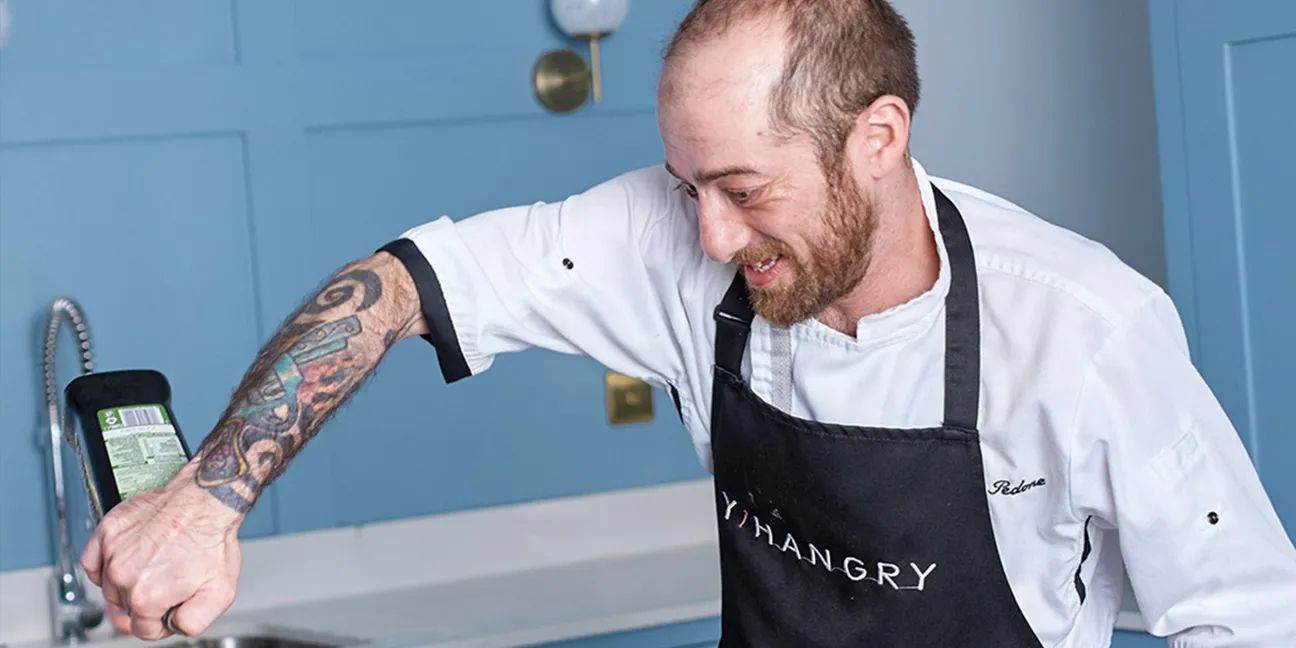
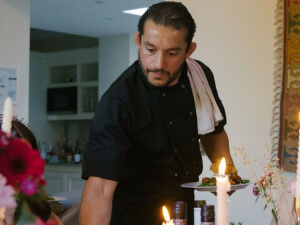
Chef James: Why I Chose Private Dining Over Catering

Early Foundations in Fine Kitchens
Chef James trained at Westminster Kingsway, one of London’s most respected catering schools, where precision and discipline were drilled in from day one. “I remember our first lecture was just about onions,” he says. “Peeling, slicing, knowing that slick little film—details like that never leave you.”
He built his career in five-star hotels, rosette kitchens, and executive roles in contract catering. Alongside that, he also ran his own restaurants and pubs. The work was intense, polished, and respected—but something felt absent.
In fast-paced environments serving hundreds, the focus was often scale. “I love it when someone eats your food and they smile,” he explains. “In a private setting, you actually get to see that. It’s immediate.”
Rediscovering the Personal in Private Dining
Private bookings weren’t new to James—he’d long taken referrals through Facebook and word of mouth. But stepping into the world of intimate dining with focus brought a new energy to his cooking.
With events of 8 to 16 guests, James now collaborates directly with hosts to build custom menus. One recent enquiry asked him to base dishes around a client’s mother’s favourite ingredients. “It’s special when people trust you with that,” he says. “That back and forth, the collaboration—that’s what makes it personal.”
He often starts with one key ingredient—lemons, strawberries, even potatoes—and builds out. “You can do so much with cauliflower,” he says, referencing a signature dish: roasted cauliflower with crinkled leaves, burnt purée, and wine-soaked grapes. “It used to be a vegetable I hated as a kid. Now it’s a star.”
His food now reflects his life beyond the kitchen—beekeeping, foraging, preserving. Pickled melon skins, homemade vinegars, and dried garlic skins appear in dishes not for novelty, but because “everything has value if you respect it.”
Cooking Without Compromise
James holds a clear line when it comes to standards. “No second best,” he insists. “I’d rather start over than send out something I don’t believe in.”
He adjusts how he engages based on the mood of the gathering—quietly present for romantic dinners, more conversational at lively parties. “You’ve got to read the room,” he says. “That’s part of the job.”
His storytelling is subtle but memorable. “People ask about the vinegar, and I explain how it started from apple juice,” he shares. “They’re fascinated because we’ve lost that connection with food.” He especially enjoys visiting schools and sharing simple facts that spark wonder, like the star-shaped seeds inside an apple.
At the core of it all is a thoughtful approach to sustainability. Garlic skins become seasoning, vegetable offcuts go into stocks or pickles. “I had a head chef years ago who used to go through the bins,” James recalls. “That stayed with me.” Every day in his kitchen, he asks: “Can this be reused, preserved, or transformed?”
A Platform That Fits the Philosophy
When James discovered Yhangry, he took his time before committing. “I did my research—looked at Facebook, checked reviews,” he says. What appealed wasn’t just the platform’s structure, but how it allowed him to stay in control of his time, values, and quality.
James uses the platform to reach people who want something different from dining out. He selects bookings based on fit—location, budget, availability—and appreciates the ability to stay selective. “I don’t want to work every weekend,” he says. “There has to be balance.”
For James, it’s not about chasing volume—it’s about choosing the right events where his approach to food can thrive.
A Message to the Next Generation
James sees his journey less as a pivot and more as a return to what truly matters. “As you get older, you realise what excites you and what doesn’t,” he reflects. That mindset even led him to adopt veganism for three years—not for ideology, but to better understand how to build flavour without relying on animal fats. “It taught me a lot. You can’t hide behind richness—you have to construct taste differently.”
Whether you're hosting a special celebration dinner, looking for a chef during your holiday or weekly meal prep, we will match you to the perfect chefs.
Start hereHis advice to younger chefs? Define your non-negotiables early. “Be honest. Only put out your best. That’s what lasts.”
And don’t be afraid to bring your whole self to the table. Whether it’s a dish inspired by memory, a preserved ingredient months in the making, or a story passed from one chef to another, James has learned that the best food is never just about taste.
“When someone smiles and says, ‘That was amazing’—that’s why I still do this.”
- What are the essential legal requirements to operate as a private chef in the UK?
-
You must register your food business with your local authority at least 28 days before starting operations. Compliance with food hygiene regulations is mandatory, and obtaining a Level 2 Food Safety and Hygiene certificate is advisable. Additionally, securing public liability insurance protects against potential claims.
- How do I determine appropriate pricing for my private chef services?
-
Pricing should reflect your experience, the complexity of the menu, ingredient costs, and time invested. Research local market rates; for instance, private chefs in the UK typically charge between £30 to £50 per hour. Consider offering tiered packages to cater to different client budgets.
- How can I ensure consistent quality across different cooking environments?
-
Conduct site visits beforehand to familiarize yourself with the kitchen setup. Bring essential tools and ingredients to maintain consistency. Develop standardised recipes and procedures to replicate dishes accurately.
- How can I stay updated with industry trends and continue professional development?
-
Join professional culinary associations and attend industry events. Subscribe to culinary publications and participate in workshops or courses. Networking with peers can also provide insights into emerging trends and best practices.