Why Clients Book Him Again and Again: Chef Cedric’s Storytelling Powered 23 Events and a 5.0-Star Streak on Yhangry
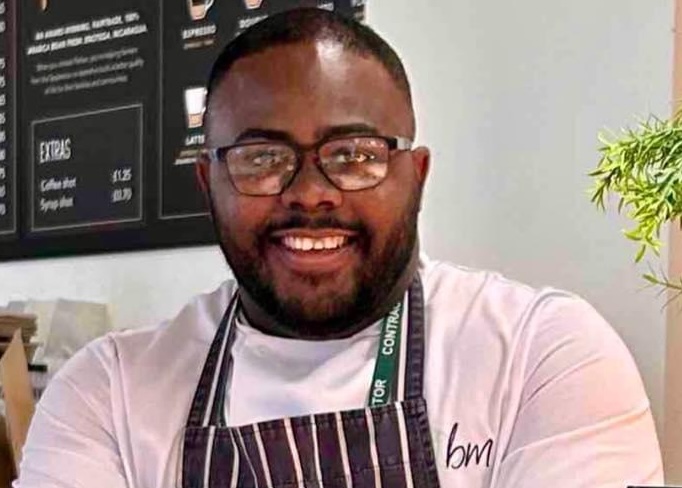
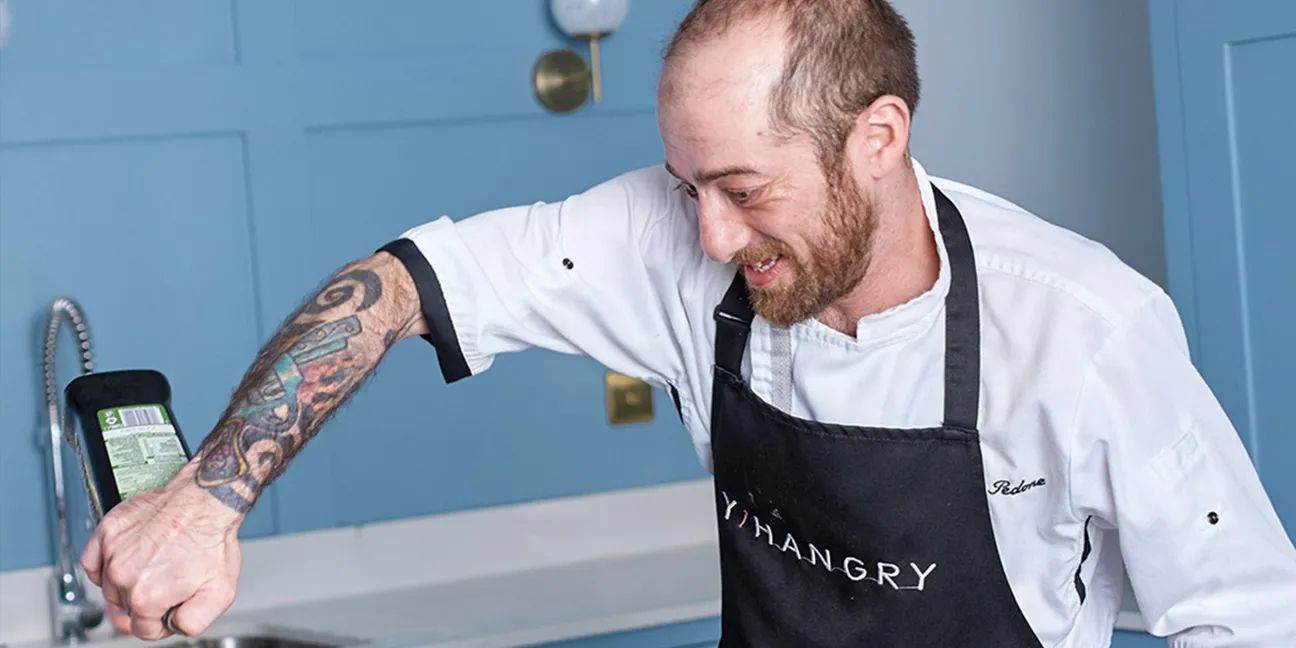
Chef Cedric, a seasoned private chef based in Horley, Surrey, brings a unique blend of vibrant global flavours and personal storytelling to his cooking. With international experience, including time at Turtle Bay and training under renowned chef Dipna Anand, Cedric has developed a distinctive style that goes beyond food preparation. Each meal he creates at yhangry is an immersive dining experience, turning flavours into stories and transforming every event into a memorable journey for his guests.
I started to notice that what I really loved wasn’t just the act of cooking it was the why behind it. The way food could make someone feel something. How a single dish could spark a memory, shift the mood, or open up a conversation.
The Journey Into Storytelling Through Food
Chef Cedric’s transition into private cheffing wasn’t a linear path. Starting his career in restaurants, he honed his skills in fast-paced environments, but it was the deeper connection with food that ultimately drew him to private dining.
Once I stepped into private cheffing, it all just made sense. I had the freedom to slow down, actually connect with the people I was cooking for, and create experiences that felt personal. That’s when the storytelling side started to come through more.
He realized storytelling was integral to his approach when he noticed that his guests didn’t just enjoy the food—they connected with the memories and emotions attached to it.
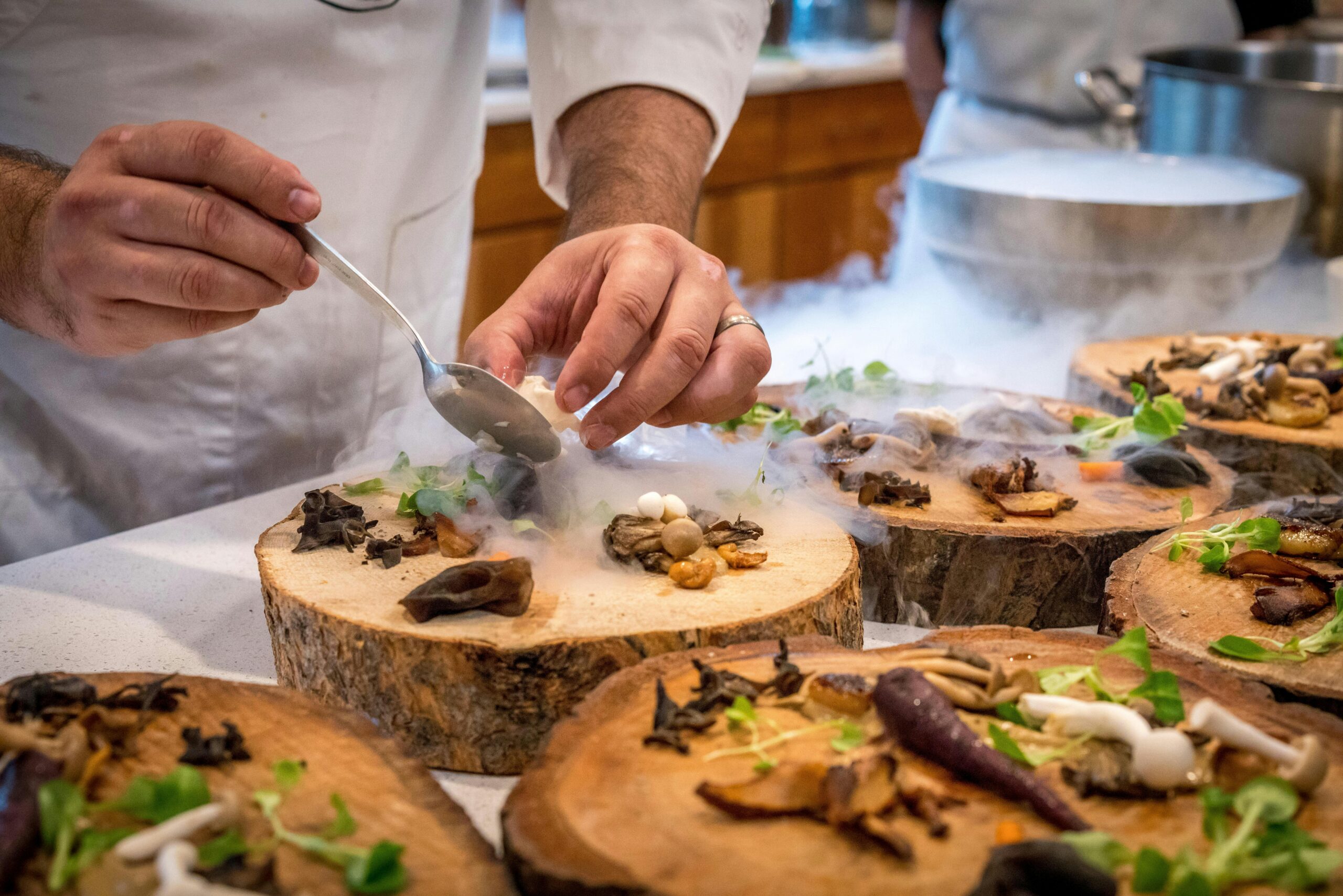
Whether it’s drawing from my own background, the vibe of a space, or a small detail someone shares in passing it all finds its way onto the plate. It wasn’t really a conscious decision at first, it just kind of happened. And now I can’t imagine cooking any other way.
That realisation puts Cedric in line with a growing trend in the private dining industry: storytelling is becoming one of the most powerful tools for freelance chefs. As more people book chefs for intimate dinners, milestone events, and stays in holiday rentals, they’re looking for more than just good food — they want connection. Today’s diners want to know: what inspired this menu? What’s the chef’s story? What’s the journey behind this dish?
How Storytelling Shapes the Experience
When planning a private dinner, Cedric’s approach to storytelling starts with understanding the guests. He doesn’t just focus on the menu; he engages in casual conversations to get a sense of the atmosphere and the energy in the room.
I start by asking how my customers are doing and about their day, and from there, the conversation flows. That hugely helps set the tone to an unforgettable experience.
One of his standout moments involved a dish called “deep-fried crispy rice & peas,” which evoked a powerful memory for two guests. “They screamed, ‘Oh my days! This reminds me of my childhood when we used to live with mum, and she would cook rice & peas every Sunday, now you’ve pretty much recreated that exact same dish but in one bite,’” Cedric recalls.
Across the industry, storytelling is no longer just a brand-building tool — it’s the very thing that deepens the experience. With diners craving emotional connection over curated perfection, chefs like Cedric are leading the shift:
- Personal narratives are becoming the new palette — dishes that evoke memory or identity leave a stronger imprint
- Guests increasingly value interaction and presence over formality or finesse
- Emotional resonance now rivals technical execution in what people remember
Balancing Storytelling with Practical Hosting
Working in someone’s home is a completely different experience to the traditional kitchen. Through yhangry, Cedric has found himself cooking in everything from sleek city apartments to warm family homes.
“When you’re working in someone’s home, especially with a big group, the energy is different. You’re not just feeding people, you’re stepping into their space, their dynamic, their rhythm.”
Chef Cedric’s approach to private cheffing is all about connection. Some nights, people want the full experience—the little stories behind each dish. But at other times, it’s about the comfort of sharing food and letting it speak for itself.
It’s never about forcing a concept, it’s about making it feel natural, even in a busy, intimate space. At the end of the day, it’s still about connection. Whether that comes through a story I tell out loud or just through how a dish makes someone feel it all counts.
yhangry: A Platform That Matches Chefs with the Right Clients
For Cedric, yhangry hasn’t just been a platform to find work—it’s become a creative partner. The clients that come through the platform are often already aligned with his philosophy.
I definitely feel that Yhangry connects me with clients that are more excited about storytelling-led menus as this is what I’m good at! This means that I get to perform at my best levels & the clients get an incredible experience! So we’re all happy
Because yhangry simplifies the admin—everything from quote requests to payment handling—it frees chefs up to focus on creativity. That means Cedric can invest time and energy where it matters most: crafting experiences that are meaningful. It’s that alignment of values that turns a booking into something far more special.
Whether you're hosting a special celebration dinner, looking for a chef during your holiday or weekly meal prep, we will match you to the perfect chefs.
Start hereAdvice to New Chefs: Storytelling Isn’t a Gimmick, It’s a Mindset
When asked what advice he’d give to other chefs entering private dining, Cedric doesn’t hesitate: don’t try to force the story.
The biggest takeaway would be, just be YOU & don’t try and force something. I believe customers can sense when chefs are being genuine & when they’re not.
It’s that honesty and authenticity that Cedric believes builds trust—and ultimately, leaves guests with something they’ll remember.
- Don’t storyboard too tightly—let the room shape the rhythm
- Use food to honour memory, not just showcase skill
- Emotional storytelling can be subtle—it’s often felt, not said
- Being human is more magnetic than being perfect
With yhangry, he’s found a platform that allows that kind of storytelling to thrive, without sacrificing professionalism or reach. And for any chef looking to bring more heart to their work, that’s a pretty powerful place to start.
- How can storytelling improve a private dining experience?
-
Storytelling through food creates a deeper connection between the chef and the guests. It elevates the meal beyond just the ingredients, allowing guests to relive memories and emotions tied to each dish, making the experience much more memorable.
- Why is storytelling important for private chefs?
-
Storytelling allows private chefs to express their identity, culture, and creativity. It helps guests understand the chef’s journey, builds trust, and often leads to more meaningful interactions. In a crowded market, it also helps chefs stand out.
- What are some ways chefs include storytelling in private dining?
-
Chefs often talk about the origins of a dish, a family recipe, or a memory linked to a specific ingredient. Even sharing a quick anecdote while plating or serving can create a strong impression.
- Can storytelling lead to more bookings?
-
Yes—it can be a major differentiator. Clients often remember chefs not just for their food, but for how they made them feel. A personal story makes a chef memorable and referable.
- How can chefs get better at storytelling?
-
Start with being authentic. Think about the “why” behind your dishes. What inspired them? What memory do they hold? Practice talking about that naturally, without overthinking it.
- What kinds of stories do clients enjoy most?
-
Personal ones—whether it’s about childhood meals, cultural traditions, or the journey of an ingredient. Even a funny or unexpected kitchen moment can leave a lasting impression.