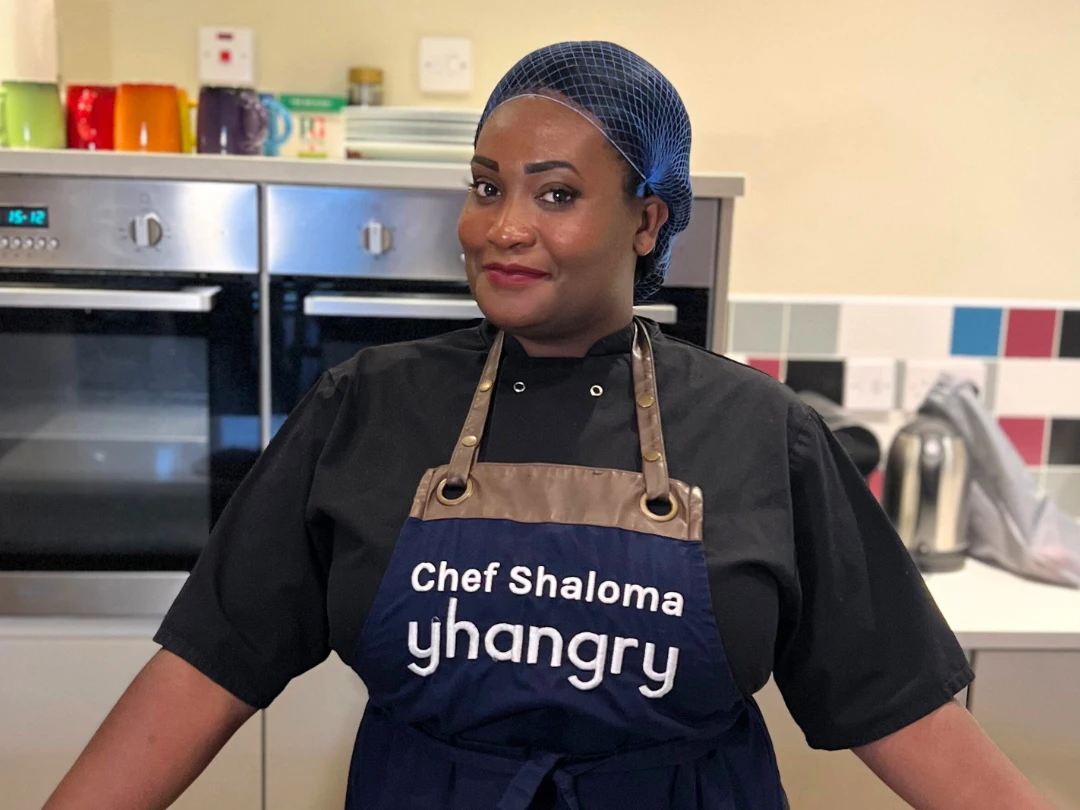
George’s Yhangry Pivot: From Bulk Catering to Bespoke Menus
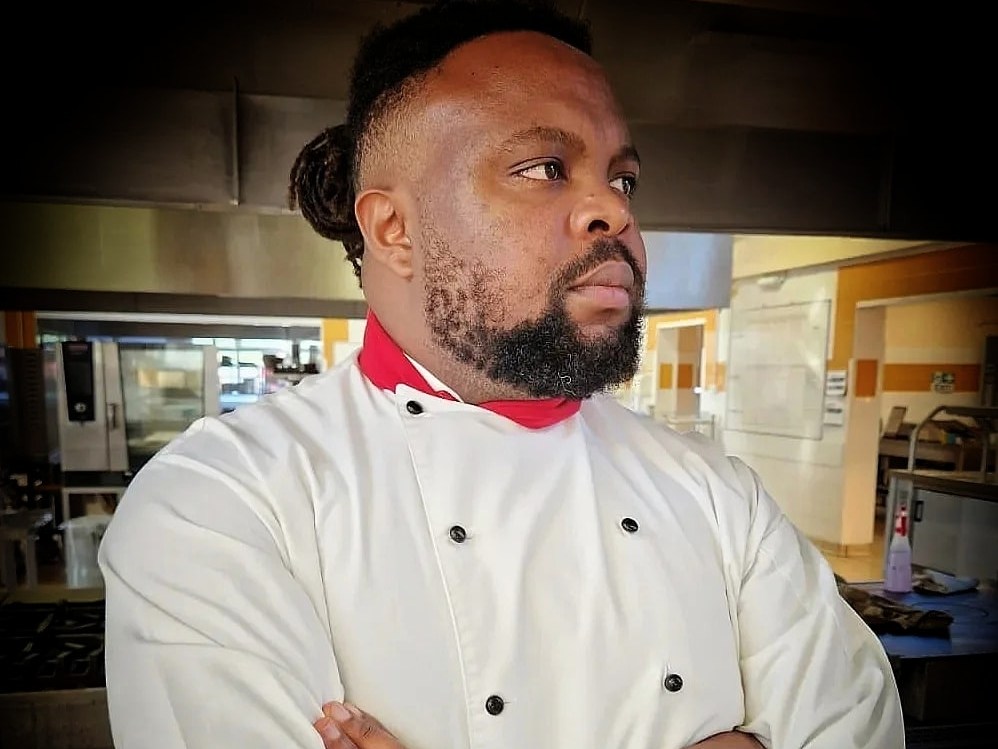
From Army Rations to À La Carte
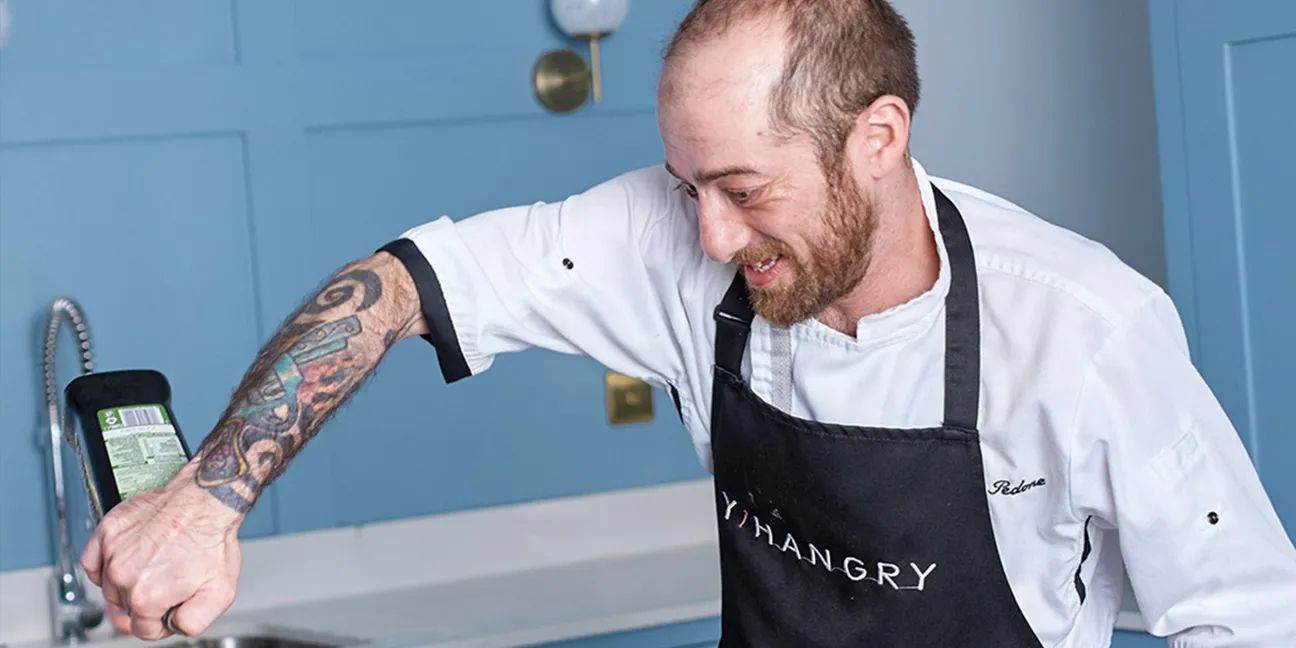
Chef George isn’t new to pressure. For over a decade, he served as a military chef, preparing meals in environments few kitchens could match. From catering for 2,500 troops to hosting formal dinners for senior officers and even King Charles, his career was built on adaptability, discipline, and technical precision.
It wasn’t just about scale. The military trained him in every type of cooking—Caribbean, Italian, Pan-Asian, British classics—and under every kind of constraint. He worked with limited equipment in field kitchens, learned how to improvise with makeshift ovens, and regularly switched between bulk catering and fine-dining formats. “We had to be able to cook anything, anywhere.”
Why Private Dining Felt Like the Right Move
Even while serving, George imagined having more creative control over what he cooked and how he delivered it. The idea of private dining became real when a fellow ex-military chef introduced him to the concept—and to Yhangry. He saw the potential to take everything he’d learned and apply it on his own terms.
After leaving the Army in late 2023, he took the leap. “We did private dinners in the Army too, cooking for generals and VVIPs in their homes,” he says. “So stepping into clients’ kitchens felt natural.”
Early Yhangry Gigs, Real Lessons
George’s first job through Yhangry was a last-minute booking—tight timeline, long-distance travel, and a kitchen barely fit for service. In the rush, he forgot flour for a dessert component. He adapted, completed the meal, and offered an immediate refund for the oversight. The experience was formative.
“That job shaped how I now approach every booking,” he reflects. From then on, he began asking detailed questions about kitchens, equipment, and expectations. Preparation became as important as execution.
A New Rhythm with Better Rewards
With just five private dining gigs per month—serving roughly ten guests per event—George can match what he earned in the Army. But the difference is in the lifestyle. There are no deployments, no night shifts, no unpredictable rosters.
Most weeks now bring two or three bookings. Some are slower, but he’s building momentum. “Even five bookings can match my military income—with far less stress,” he says. “And I’ve got time—time to plan, to rest, and to improve.”
Food That Reflects His Range and Passion
Private clients bring diverse tastes, ideas, and social settings. That variety keeps George energised. From intimate anniversaries to birthday feasts, he crafts menus that reflect his broad training—Caribbean spice, Japanese balance, Italian comfort, and more.
“Being a proper chef means giving people an experience,” he says. “Not just feeding them, but making it memorable.”
He customises each menu to suit the occasion and is constantly refining techniques, testing new dishes, and learning from each event. “Every menu teaches you something.”
Behind the Scenes, Yhangry Makes It Work
Yhangry hasn’t just brought clients to his door—it’s given George access to a market he hadn’t known how to reach before. Beyond bookings, the platform has taught him how to price, market, and position himself in a competitive field.
“It’s opened me up to how big this market really is,” he says. “You start thinking differently—about branding, about customer experience, about managing yourself like a business.”
He values the support, the transparency, and the sense of momentum. Seeing other chefs succeed on the platform has been particularly motivating. “It shows you what’s possible if you keep pushing.”
Looking Ahead: Growth Without Compromise
George has no intention of opening a restaurant. The overheads, risks, and daily grind don’t appeal to him—not when private dining offers flexibility, profit, and artistic freedom.
Whether you're hosting a special celebration dinner, looking for a chef during your holiday or weekly meal prep, we will match you to the perfect chefs.
Start hereWith each event, he sharpens his offering. With each new client, he expands his reach. And through Yhangry, he’s building a business that reflects both his skill and his values.
“It’s all about quality over quantity,” he says. “You can get money doing anything—but being a chef means something different. You give people something they’ll remember.”
- How can I start a private chef business in the UK?
-
Starting a private chef business involves minimal initial investment. Key steps include obtaining necessary certifications (like food hygiene), registering with local authorities, securing appropriate insurance, and building a digital presence through a website and social media. Networking and word-of-mouth referrals are crucial for client acquisition.
- What are some common challenges faced by private chefs?
-
Private chefs often deal with unpredictable schedules, varying client expectations, and the need to adapt to different kitchen environments. Maintaining work-life balance can be challenging, especially when clients require meals at unconventional hours or during holidays.
- What equipment should private chefs bring to client homes?
-
Private chefs typically carry essential tools like knives, cutting boards, measuring cups, and specialty utensils not commonly found in home kitchens. Bringing personal equipment ensures consistency and efficiency, especially when clients’ kitchens lack professional-grade tools.