How Jonathan a Full-Time Executive Chef Cooks Privately Too
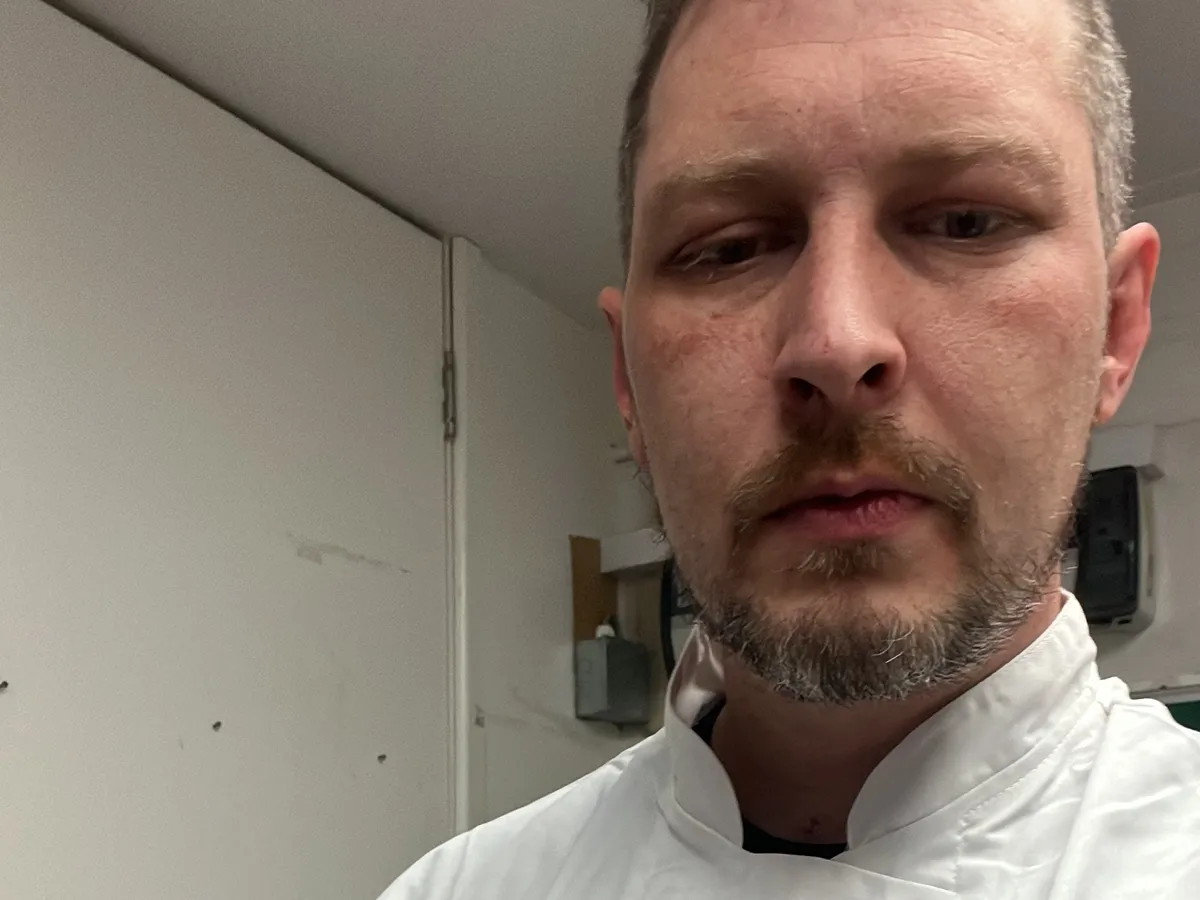
From the Hotel Pass to Private Plates
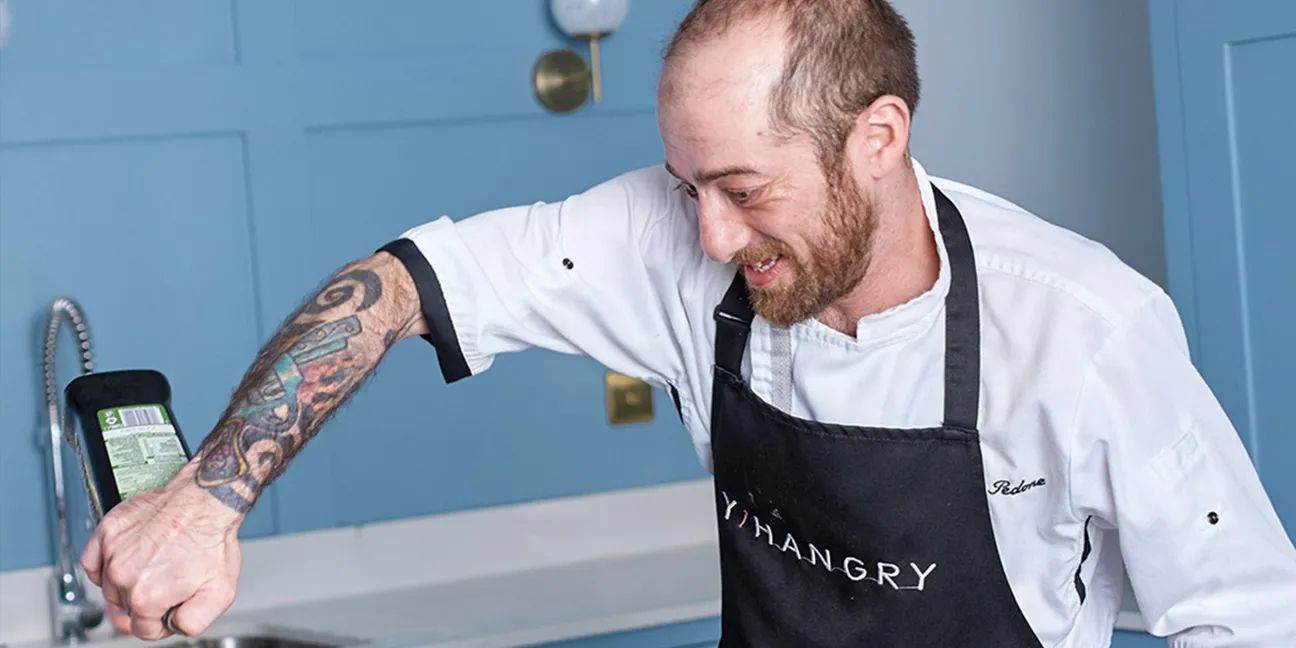
Chef Jonathan started cooking at 14. Now 36, he still feels the same spark each time he walks into a kitchen. That passion has carried him through high-profile roles at the Marriott, Hilton, and Leonard Royal Hotels, as well as celebrated restaurants like Gordon Ramsay’s Boxwood Café and the OXO Tower. Today, he oversees operations as Executive Head Chef at a major hotel.
But a few years ago, a small request shifted things. A waitress at work asked him to cook for a family birthday dinner. He said yes—and something clicked.
“It gave me a little buzz, like I used to have when I was younger,” he said.
That evening marked the beginning of something new. Bookings followed through referrals, and Jonathan slowly shaped a second track in his career—one that allowed for full authorship over each plate, and personal connection with those he cooked for.
Reclaiming Creativity, One Course at a Time
In hotel kitchens, creative input is often limited by broader brand frameworks and operational demands. “You don’t get to put your name on the dish,” he explains. “You don’t get to put your twist on it.”
Private dining opened that door.
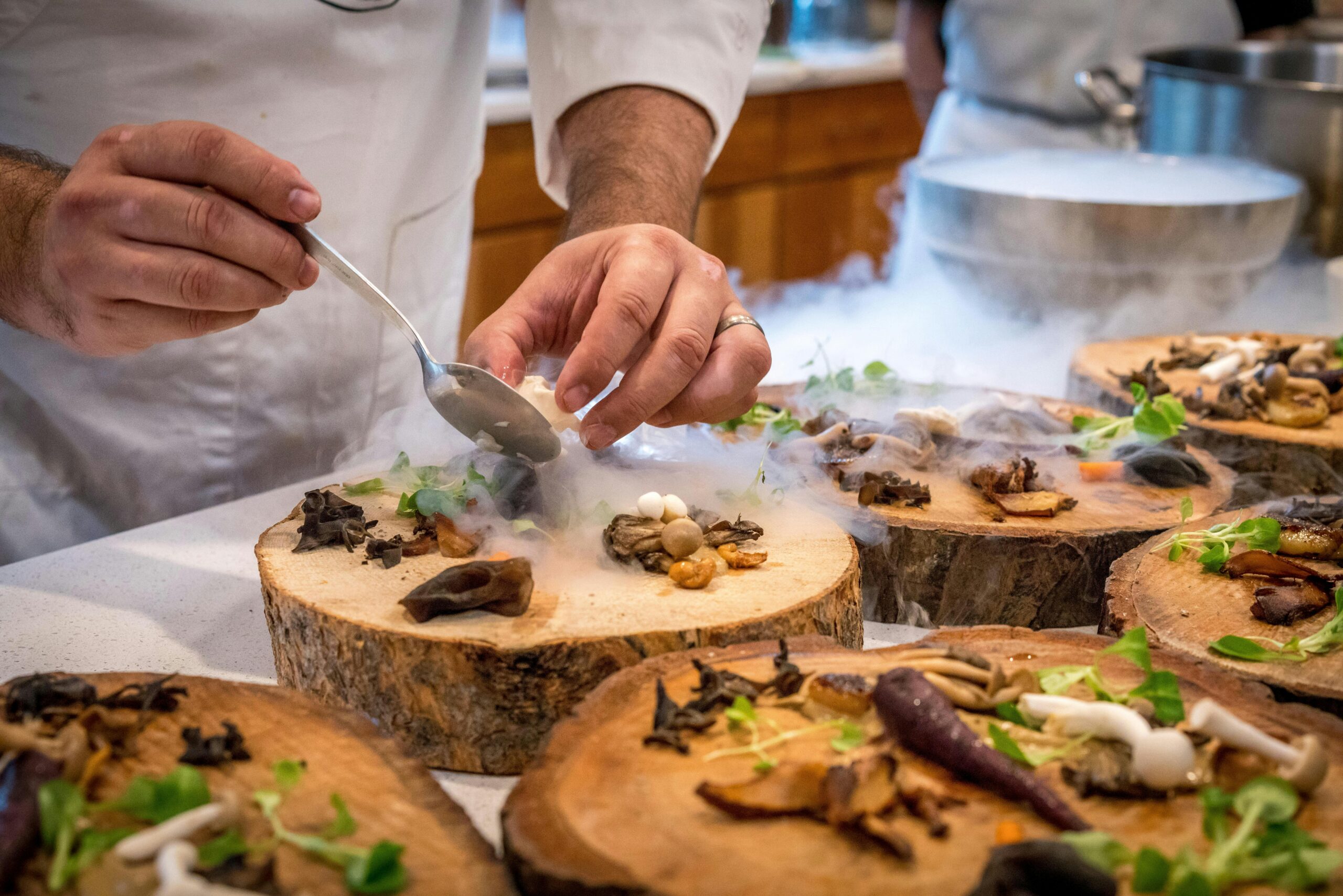
Each event starts with a conversation—client preferences, dietary needs, setting, and service style. Jonathan particularly enjoys plated courses for their precision and balance. “You never run out, and everyone gets exactly what they need, nutritionally and visually.”
His menus often strike a balance between refinement and personality. One of his most memorable creations is Small, a dessert that took a full year to perfect. It’s theatrical, layered, and frequently requested. “It’s educated, entertaining, theatrical,” he describes.
He’s also taken bold steps when clients ask. One request led to a Thai-Caribbean fusion menu—an unfamiliar pairing at the time. “I didn’t think it was going to work,” he admits. But it did, and it pushed him to embrace experimentation with openness and skill.
Building Confidence with Clients, Not Just Teams
Unlike the hotel setting, where chefs rarely speak to diners directly, private dining is built on clear communication. For Jonathan, that interaction has shaped not just his menus but also his confidence.
One feedback moment stands out: a client felt a bruschetta was missing something. “They said it needed a smoky note,” he recalls. He sourced a smoked salt, tested the idea—and it elevated the dish so well, it became a staple.
Private dining also calls for a different kind of composure. “If you’re stuttering and unsure, it doesn’t build trust,” he says. “You’ve got to be able to explain exactly what you’re doing, and why.”
His ideal event? A seven-course menu, with the chef stepping out to present each dish. “At each course, they understand my true form on a plate.”
And when the event scales up, he’s ready. Jonathan maintains a trusted network of waiters, bartenders, and chefs, allowing him to execute everything from intimate dinners to full-service events without losing the personal touch.
Balancing Both Worlds
Jonathan now regularly takes on six to seven private bookings a month. It fits naturally around his hotel schedule. “On my days off, I’m still cooking at home. So I might as well cook for someone else.”
For him, cooking is more than a profession—it’s a form of clarity. “Cooking is my therapy,” he says. To maintain focus under pressure, he’s created a technique called reboot: “When things get chaotic, we stop for five minutes, clean down, reorganise, and restart.” It’s become a staple for both the kitchen and front-of-house teams.
He doesn’t feel constrained by seasonality either. Thanks to long-term relationships with trusted suppliers, he’s able to source premium ingredients year-round. “If you have the right suppliers, you don’t have to worry,” he explains.
Whether you're hosting a special celebration dinner, looking for a chef during your holiday or weekly meal prep, we will match you to the perfect chefs.
Start hereWhen clients request something outside his current repertoire, he doesn’t shy away. “You never stop learning. If I don’t know a dish, I’ll try it out before I agree to serve it.”
Why the Right Platform Helps
Yhangry proved to be a natural fit for Jonathan’s working style. It offered direct, real-time conversations with clients, removing the friction and miscommunication that can happen through intermediaries.
He values the clear client expectations, the secure booking system, and the smooth payment process. Most bookings come with full payment up front, giving him peace of mind around scheduling and logistics.
“It’s very compatible with the way I work,” he says simply.
- What strategies help in maintaining a work-life balance when juggling full-time and private chef roles?
-
Maintaining work-life balance involves setting firm boundaries regarding work hours and client interactions. Utilizing scheduling tools and delegating tasks when possible can also alleviate stress. Some chefs find that transitioning to private roles offers more control over their schedules compared to traditional restaurant positions .
- How can chefs handle the financial instability that may come with inconsistent private bookings?
-
To address financial instability, chefs often diversify their income streams by offering services like meal prep, cooking classes, or catering. Building a loyal client base and maintaining consistent communication can lead to repeat business, providing more predictable income .
- How can chefs effectively market their private services without conflicting with their full-time employment obligations?
-
Chefs can market their services through personal websites, social media, and word-of-mouth, ensuring they respect any non-compete clauses in their primary employment contracts. Transparency with employers about side ventures can prevent potential conflicts .
- How can chefs build a reliable network of suppliers and vendors for their private engagements?
-
Networking at industry events, joining professional associations, and seeking recommendations from peers can help chefs connect with trustworthy suppliers. Establishing strong relationships with vendors ensures consistent quality and reliability .