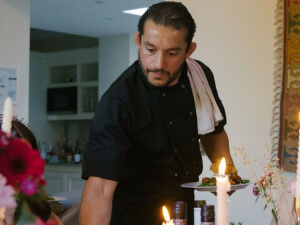
How Chef Sam Used Yhangry to Level Up His Private Business
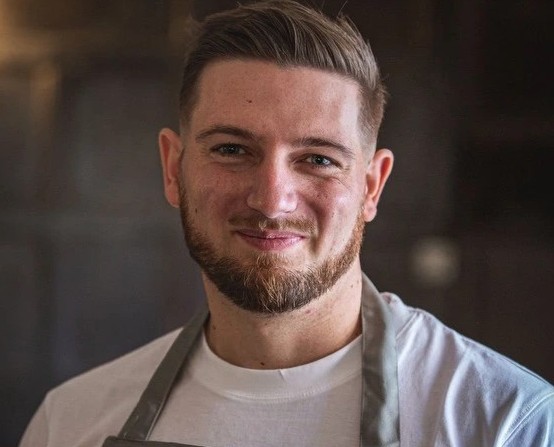
From Head Chef to Independent Success
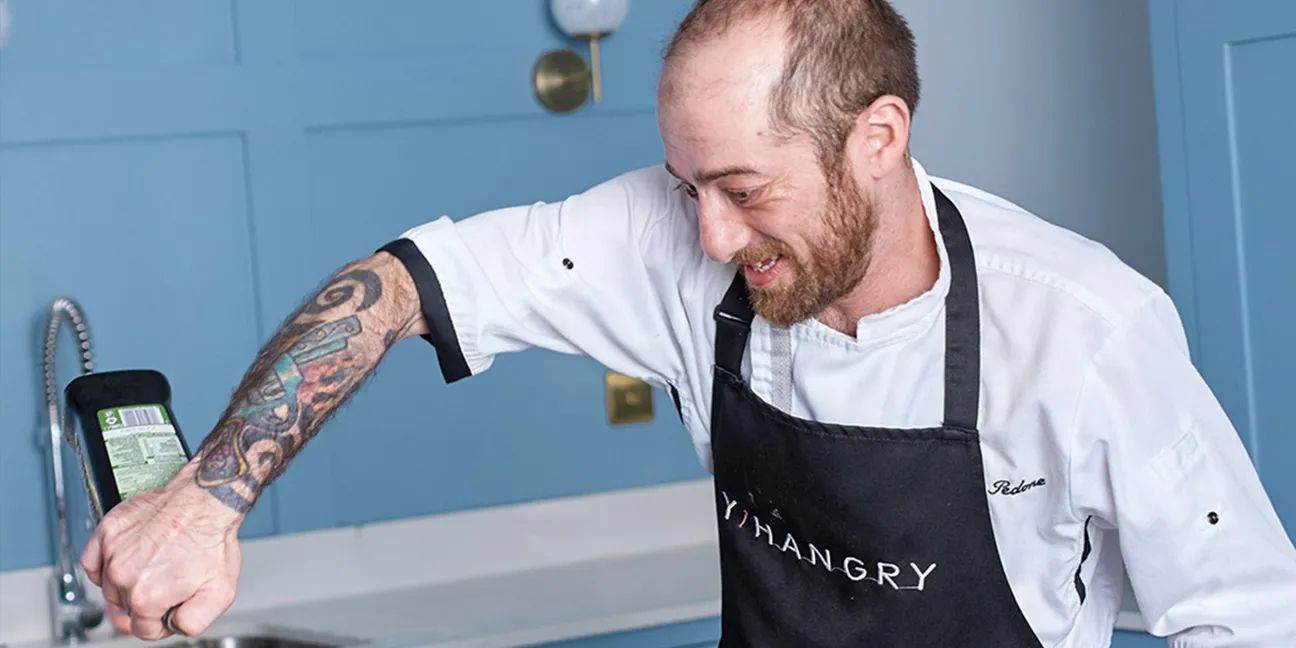
Before stepping into private dining full-time, Chef Sam had already built an impressive career. With over 18 years in the culinary world, including seven years as a Head Chef, he had led kitchens, managed teams, and overseen large-scale corporate events for over 500 guests. But when it came time to transition, Sam was looking for more than just prestige. He wanted freedom, flexibility, and the chance to support his young family without sacrificing quality of life.
Private dining offered that possibility, but it came with its own set of challenges: pricing, visibility, and securing consistent, high-quality bookings. “At first,” Sam says, “I just wanted to match my old salary. That felt like the most realistic goal.”
Building a Private Chef Brand
As Sam moved into weddings and private events, he quickly realised that success required more than culinary talent. He needed to position his services as premium, price with confidence, and attract clients who valued a polished experience.
He began offering tailored menus with a high-end feel, focusing on flexibility, communication, and professionalism. “People are happy to pay more when they feel cared for from start to finish,” he explains. That shift in mindset helped Sam differentiate himself in a competitive market.
Scaling Up with Support
Around this time, Sam began using the Yhangry platform. While his business was already gaining traction, Yhangry played a key role in helping him scale with structure and consistency.
In just one year on the platform, Sam:
- Completed 168 events
- Earned 129 five-star reviews
These milestones reflect how demand surged once the right systems were in place.
“The platform helped me understand what clients are willing to pay and what they expect at each price point,” Sam says. With clearer benchmarks and a steady flow of leads, he was able to refine his offering without second-guessing his pricing or service standards.
From Survival to Strategy
As Sam gained experience and repeat clients, his focus shifted from simply replacing his old salary to building something more sustainable.
“I focus more on staying fully booked with the right kind of work, and the income usually follows,” he explains.
He keeps loose monthly and yearly income targets in mind, especially during high-demand seasons like summer and December when weddings and events peak. In quieter months—January and February—Sam slows down deliberately, using that time for admin, reviewing costs, and spending time with family.
Today, his business is guided by:
- Prioritising the right kind of bookings over volume
- Planning around seasonal fluctuations
- Using quieter periods to regroup and prepare
This rhythm has helped him stay consistent, avoid burnout, and maintain high standards all year round.
Whether you're hosting a special celebration dinner, looking for a chef during your holiday or weekly meal prep, we will match you to the perfect chefs.
Start hereAdvice for Young Chefs
Sam’s journey shows that talent opens doors, but building a successful private chef business demands more: structured systems, consistent service, and strategic partnerships.
Sam sums it up best:
“You need to treat it like a business from day one. Set boundaries, price properly, and invest in strong relationships—with clients and suppliers alike. That’s what makes it work long-term.”
- What are the startup costs and legal requirements for launching a private chef business?
-
Startup costs include business registration, insurance, equipment, marketing, and food hygiene certification. Legally, you must register as a food business with your local council, have Level 2 Food Safety training, and comply with allergen regulations.
- How can I effectively market my private chef services locally?
-
Build a strong presence on social media showcasing your work, attend local food events to network, and optimise your website with local SEO to attract clients nearby. Referral programs and collaborations with event planners also drive high-value leads.
- Should I offer drop-off meals, in-home cooking, or both?
-
Offering both expands your client base—drop-off meals suit convenience-focused clients, while in-home cooking delivers a personalised, higher-end experience that can command premium pricing. A hybrid model increases flexibility and revenue opportunities.
- What are the best practices for client onboarding and setting expectations?
-
Use a clear written contract outlining services, pricing, and expectations, supported by consistent communication throughout. You can also use platforms like yhangry to streamline client introductions and expectations, making onboarding faster and more professional.