From Networking to Fine Dining: Blending Business with Sensory Experiences
The Atmosphere Is the Icebreaker
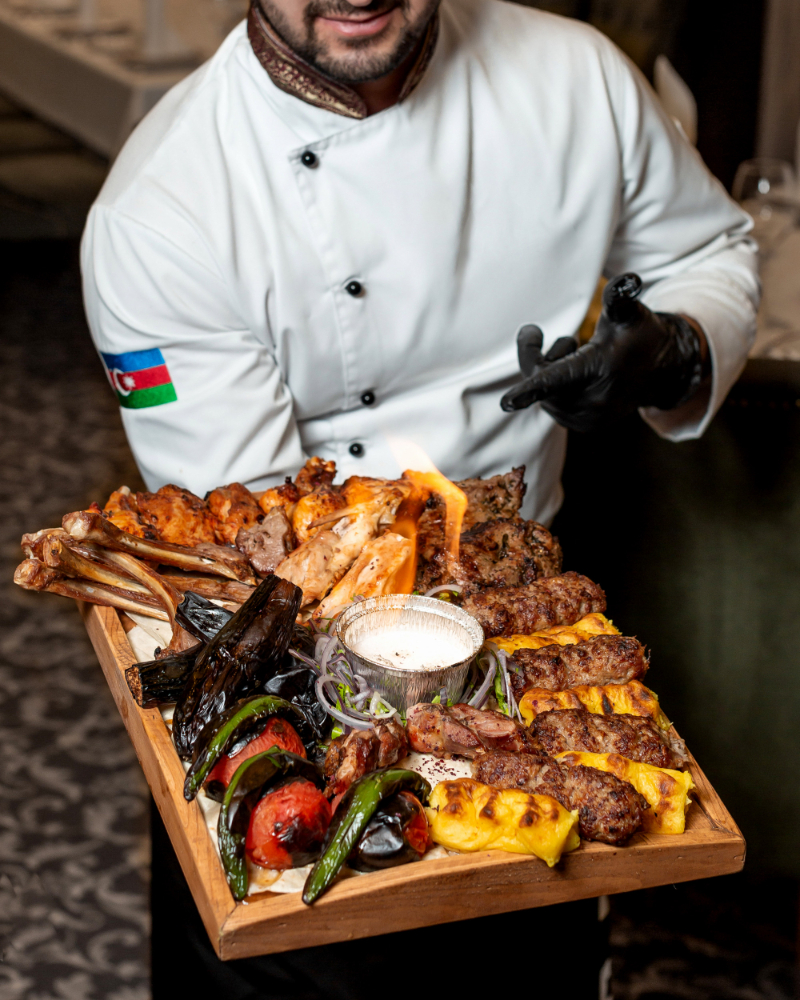
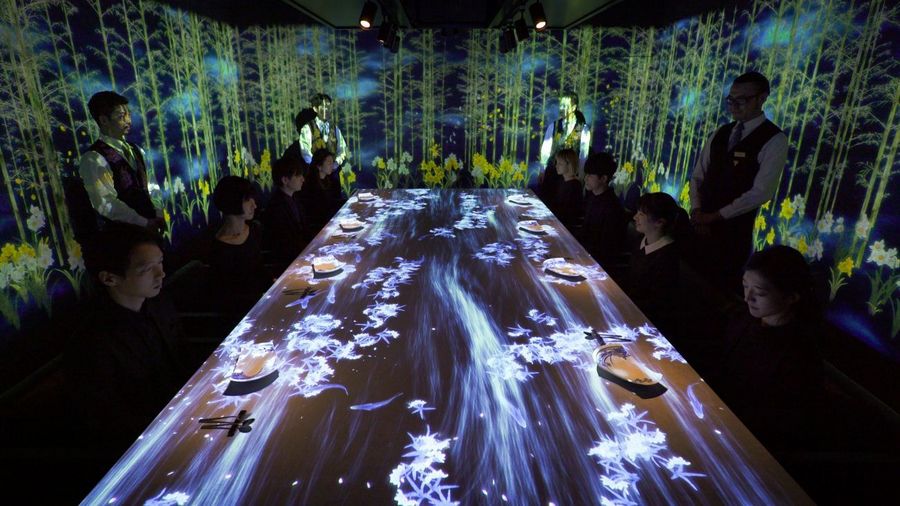
The phrase “corporate networking” once conjured fluorescent conference rooms, coffee that tasted of cardboard, and name badges adhesive enough to ruin silk. You arrived, dutifully circulated, collected a fistful of business cards, and left wondering why the entire exercise felt like speed-dating for spreadsheets. Now imagine stepping into a decommissioned power station washed in golden up-lighting, its iron ribs softened by swathes of eucalyptus and low, conspiratorial jazz. A chef—jacket crisp, knives glinting—wafts rosemary over a cast-iron plancha, the herb snapping and sparking like a log in a winter hearth. Glassware catches the glow; strangers trade wide-eyed glances that say, This is different. Before a single handshake, the room is already pulsing with promise.
The Senses Do the Heavy Lifting
That opening inhale of charred citrus sets off a chain reaction deep in the limbic system, the brain’s emotional command centre. Neuroscientists note that scent shoots to memory faster than language ever could. Engage every sense—sight, smell, taste, touch, sound—and you colour business objectives with visceral urgency. The budget review presented under strip-lights becomes a story told in saffron risotto and saxophone riffs. The ice-breaker game you dreaded is replaced by piping bags brimming with violet choux, their silky weight coaxing laughter from even the most impenetrable CFO. Deal-making, once the final, forced act, now unfurls organically between spoonfuls of miso-caramel ice cream and candlelit amaro.
Private-chef platforms such as yhangry have accelerated this revolution, liberating culinary talent from rigid brigade hierarchies and dropping them into boardrooms, rooftop conservatories and riverside lofts. These chefs arrive not merely to feed but to narrate, weaving brand stories through flavour until mission statements melt like butter on brioche. Yet the true magic requires architecture that listens, lighting that flatters, and acoustics that cradle conversation. If your plans orbit the British capital, begin with a scroll through eventflare’s curated collection of exquisitely versatile event venues in London. Choose a canvas that hums; the palette will follow.
The Rise of Sensory-Led Business Hospitality
Why the shift? Neuroscience tells us that emotion, memory, and decision-making live side-by-side in the limbic system. Engage sight, sound, smell, touch, and taste in unison, and your message settles where spreadsheets rarely reach. Deals struck over dessert aren’t luck; they’re limbic design.
Private-chef platforms such as yhangry have catalysed the movement, freeing culinary talent from rigid restaurant kitchens and parachuting them into boardrooms, rooftops, and riverside lofts. A chef in whites becomes the evening’s narrator, seasoning conversation with story while dishing up dishes that double as ice-breakers.
Let the Room Do the Talking
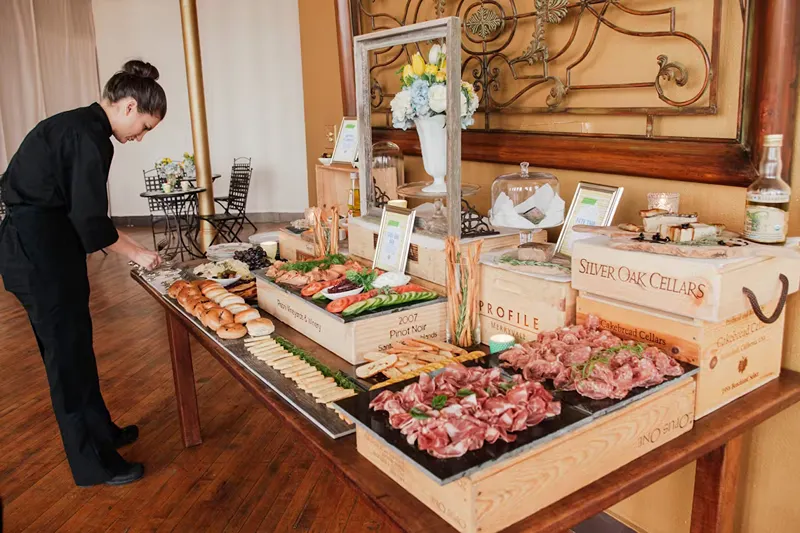
Every great sensory journey begins with a venue that hums in the right key. Picture a decommissioned chapel where stained-glass shafts dance across Carrera marble, or a pared-back warehouse whose exposed steel trusses frame long tables like modernist sculpture. Volume and intimacy must coexist: soaring ceilings give ideas room to breathe, while discreet corners invite whispered stratagems over a well-cut negroni. Seek spaces with forgiving acoustics, neutral palettes, and plentiful points of visual intrigue—architectural nuances that become conversation starters before a canapé is ever plated. Secure a canvas with backbone and character; the flavours, lights, and melodies will gladly rise to meet it.
Aroma: The Invisible Handshake
Guests step through the door, and conversation pauses—just for a beat—as citrus oil meets warm steel. That first inhale is when the walls come down.
Yhangry chefs often begin with a “welcome scent”: smoked lavender in Provence, burnt orange peel in Barcelona, cracked cardamom husks in Mumbai. It’s a subtle disruption—an olfactory cue that signals the evening will be anything but ordinary.
They describe fragrance as the spark of storytelling—less a seasoning, more a plot twist.
Touch: Breaking Bread, Breaking Ice
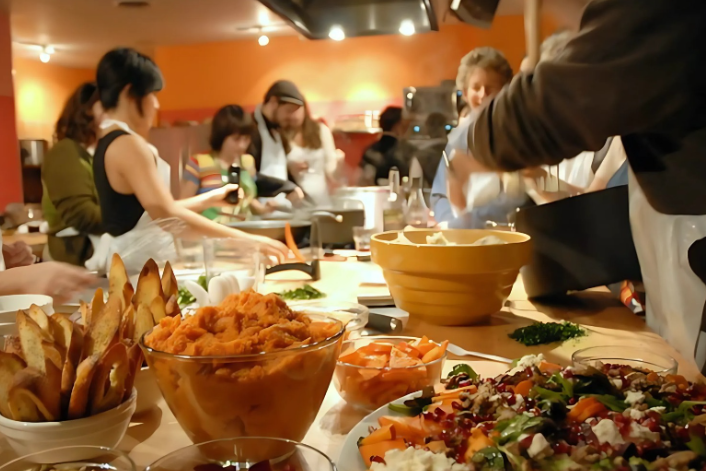
Forget awkward ice-breaker cards. Hand each delegate a piping bag brimming with violet choux or a scallop begging for a quick kiss of the konro grill. Dough recognises no job title, and flame respects no hierarchy. Within minutes, the CFO is laughing at her lopsided profiterole while the intern shares tips learnt from a Sicilian grandmother. A shared task—tactile, imperfect—cements rapport faster than any business-card exchange.
Sight & Sound: Setting the Tempo
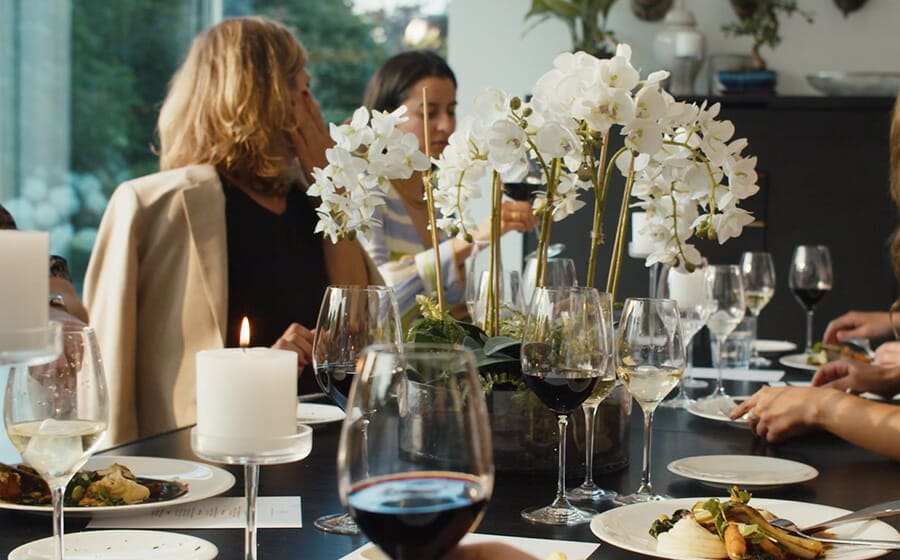
Lighting should glow, never glare. Swap harsh down-lights for Edison filaments or hidden LEDs that bathe tabletops in amber. Live music? Choose a trio that knows restraint—brisk Latin swing during canapés, languid cello once mains glide in. Between tracks, curated hush invites conspiratorial whispers. Room acoustics matter: velvet drapes and linen banquettes soften echo, letting dialogue—not decibels—take centre stage.
Taste: The Crescendo
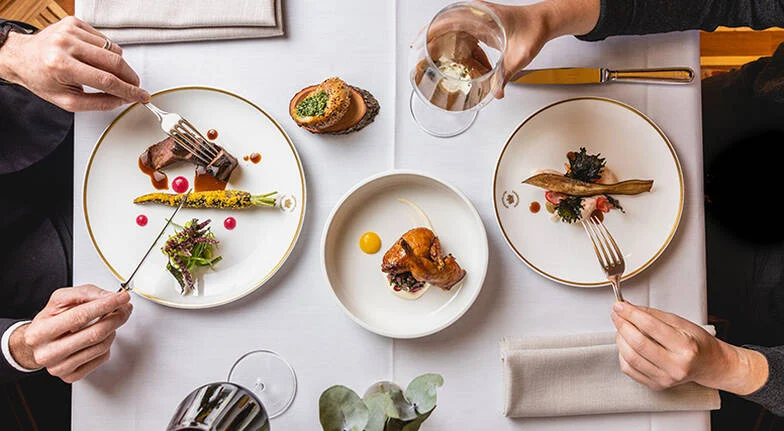
Flavour is the final soliloquy, and in skilled hands it becomes narrative. A Milan off-site might close on risotto gilded with saffron traded along ancient spice routes; a Singapore strategy retreat could finish with kaya-curd macarons kissed by pandan smoke. Menus mirror agendas—introduction, crescendo, resolution—so guests feel the theme rather than read it.
A Hypothetical Flow
- 18:00 – Arrival: Grapefruit-rosemary spritz, live sketch artist capturing first impressions.
- 18:30 – Interactive Course: Delegates torch sugar crust on Catalan crema; shy chatter melts.
- 19:00 – Seated Dinner: Five courses, each plate debuting in sync with brand milestones.
- 21:30 – Digestif Bar: Barrel-aged negronis, single-origin chocolate, deals sealed by candlelight.
- 22:00 – Send-off: Mini jars of smoked-salt caramel—an edible echo of the evening.
Sustainable Spectacle
Luxury needn’t spill into excess. Linen trumps paper, surplus brioche becomes bread-and-butter pudding for a local shelter, citrus rinds alchemise into cordial. Guests notice. Ethical glamour leaves a greener aftertaste than any ESG slide deck.
Whether you're hosting a special celebration dinner, looking for a chef during your holiday or weekly meal prep, we will match you to the perfect chefs.
Start hereMeasuring the Intangible
Yes, you’ll track post-event surveys, hashtag impressions, and pipeline velocity. But listen, too, for subtler metrics: the linger at coat-check, the request for your chef’s playlist, the email that references miso-caramel ice cream before it mentions budgets. In an attention economy, memorability is currency.
Parting Spoonful
Blend architecture that hums, aroma that beckons, touch that disarms, sight that dazzles, sound that cocoons, and taste that lingers, and you convert networking from obligation to odyssey. Guests leave nourished, not merely fed; engaged, not merely informed. They’ll recall the cracking of cardamom, the warmth of jazz, and the exact moment a pitch turned into a partnership—proof that in the modern business landscape, sensory storytelling is no longer garnish; it’s the main course.
- How far in advance should I book a private chef for a corporate event?
-
It’s best to book at least 3–4 weeks in advance, especially for events with custom menus, large guest counts, or unique venue logistics. Popular dates can fill up quickly, so early planning ensures availability and smoother execution.
- What’s typically included in a private chef service?
-
Yhangry bookings include menu consultation, ingredient sourcing, prep, cooking, plating, and post-event clean-up.
- Do I need a fully equipped kitchen at the venue?
-
Not necessarily. Many private chefs can bring portable equipment or adapt to minimal kitchen setups. However, it’s important to communicate the venue’s facilities in advance to avoid last-minute adjustments.
- What’s the average cost of hiring a private chef for a corporate event?
-
Prices vary depending on the chef’s experience, guest count, and menu complexity. For corporate events, expect a range from £75 to £250+ per guest. Customisation, travel, and premium ingredients may raise costs.