How Chef Mbark Streamlines Private Events with Yhangry
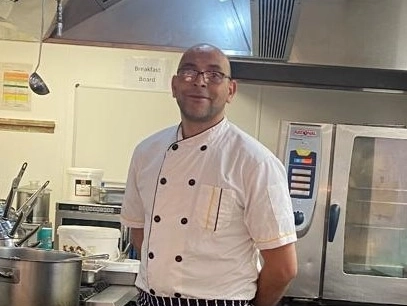
From Marrakech to Madrid: A Chef’s Global Foundation
Chef Mbark’s culinary journey began in Morocco, at the legendary La Mamounia hotel in Marrakech—one of the most prestigious hotels in the world. There, surrounded by opulence and exacting standards, he learned the discipline that would shape the rest of his career.
Over the next two decades, his path took him across Spain, France, and Mexico. In Spain, he cooked in high-end restaurants across Madrid, Costa Brava, and the Canary Islands. In Paris, he sharpened his techniques in the demanding world of fine dining. He even spent six months studying butchery to deepen his understanding of meat preparation.
This diversity of experience gave him fluency not only in Arabic, French, Spanish, and English, but also in the languages of kitchens: pressure, preparation, and precision.
A Shift from Hotel Kitchens to Home Dining
Despite the prestige of hotel kitchens, something was missing. In those environments, chefs rarely meet the people they cook for. The menus are fixed, the pace relentless, and the creativity tightly controlled.
Private dining offered something different.
“You arrive in a new place every time,” Mbark explained. “Different kitchens, different people, different menus. You have to create something new every time.”
The transition wasn’t simple. Private chef work, especially in the UK, comes with its own demands: variable spaces, client communication, logistics, and solo execution. But for Chef Mbark, it was worth it. He found freedom in the variety, and joy in connecting directly with the people he cooks for.
Discipline in the Details
With Yhangry, Chef Mbark discovered a platform that complemented his strengths and helped manage his gaps—particularly around logistics and customer communication.
He’s the first to admit that English remains a challenge, often relying on his wife to help refine written quotes. But what he lacks in fluency, he makes up for with flawless execution.
“Before every event, I plan everything,” he said. “Where is the location? How long will it take to prep? What are the allergies? I write everything in my book.”
He’s developed a systematic approach that includes:
- Mapping travel and setup times in advance
- Detailed notes for each booking (guest count, allergies, special requests)
- Meticulous menu breakdowns by course and dietary preference
- A personal checklist he reviews before every job, including post-service steps
He’s clear on his boundaries too: “I take what I can do. Not more.”
This mindset helps him avoid burnout and maintain consistent quality. For larger or more complex events—like a seven-course dinner for ten guests—he blocks out multiple days for prep and service.
Quality That Starts at the Source
Chef Mbark doesn’t cut corners. He regularly spends up to £150 on high-quality ingredients for a single event, even when he could source similar items for a third of the cost.
“I could keep £75 for myself,” he said, “but if it doesn’t taste great, what’s the point?”
This commitment to flavour and texture is non-negotiable. Whether he’s creating tapas or gluten-free tasting menus, he wants each plate to feel like a signature piece of craftsmanship.
It’s also why Yhangry’s customer base suits him well. The platform connects him with clients who value quality and are willing to invest in a personalised dining experience.
Building Structure with Yhangry’s Support
Chef Mbark has used other private chef platforms in the past but found them inconsistent. “Sometimes, I sent quotes and menus—15, 20 even—but no one replied,” he recalled. “With Yhangry, it’s more organised. The questions from clients are clearer. The bookings are better.”
The platform gives him a framework to operate in, allowing him to focus on what he does best: plan, cook, and deliver. While occasional communication gaps still occur, he appreciates that Yhangry supports both sides—chef and client—in creating a clear pathway to the event.
Whether you're hosting a special celebration dinner, looking for a chef during your holiday or weekly meal prep, we will match you to the perfect chefs.
Start hereThat structure has a real impact. Since making the switch from hotel kitchens, Chef Mbark estimates a 30% reduction in his total working hours. He’s more intentional with his time, avoids unnecessary admin, and gets to build in space for recovery between jobs.
His calendar now includes clearly blocked prep windows, confirmed bookings, and planned rest periods. “I book time off—once in July, once around September or October,” he said, something he never managed in restaurant life.
Advice to New Private Chefs: Plan, Don’t Push
For chefs considering the shift to private dining, Mbark is candid: success depends on structure.
“Don’t drink, don’t smoke, sleep well,” he advises. “Plan properly. If you do that, you’ll be good.”
He doesn’t believe in overpromising or rushing jobs. Time, energy, and quality must be balanced. And with platforms like Yhangry helping take care of the booking infrastructure, he believes private dining is a rewarding path—if done right.
- How can I effectively manage time when cooking in unfamiliar home kitchens?
-
Begin by conducting a thorough pre-event consultation to understand the kitchen layout and available equipment. Create a detailed checklist of necessary tools and ingredients, and consider bringing essential items with you. Utilize mise en place principles: prepare and organize all ingredients before starting to cook, which streamlines the cooking process and reduces time spent searching for items.
- What strategies can help balance cooking and administrative tasks as a private chef?
-
Implement time-blocking techniques by allocating specific periods in your schedule for administrative duties such as menu planning, client communication, and bookkeeping. Utilize digital tools like calendar apps and task managers to set reminders and deadlines, ensuring that administrative tasks are addressed promptly without encroaching on cooking time.
- How do I handle last-minute changes or requests from clients without disrupting my schedule?
-
Maintain a flexible mindset and build buffer time into your schedule to accommodate unexpected changes. Develop a repertoire of versatile recipes that can be adapted quickly to meet client preferences or dietary restrictions. Effective communication with clients about the feasibility and implications of last-minute changes is also crucial to manage expectations.
- What tools or software do private chefs use for scheduling, inventory management, and client communication?
-
Private chefs commonly use tools like Google Calendar or Acuity Scheduling for managing bookings and time slots, as they allow for automated reminders and easy rescheduling. For inventory and shopping list management, apps like KitchenCUT, Mezcal, or Paprika Recipe Manager help track ingredients, costs, and menu planning efficiently. For client communication, many chefs rely on WhatsApp Business, Trello (for shared checklists), or integrated CRM tools like HoneyBook or Dubsado that combine messaging, invoicing, and client records in one place.