Chef John’s Yhangry Shift: Half the Hours, Double Pay
Leaving the Heat Behind
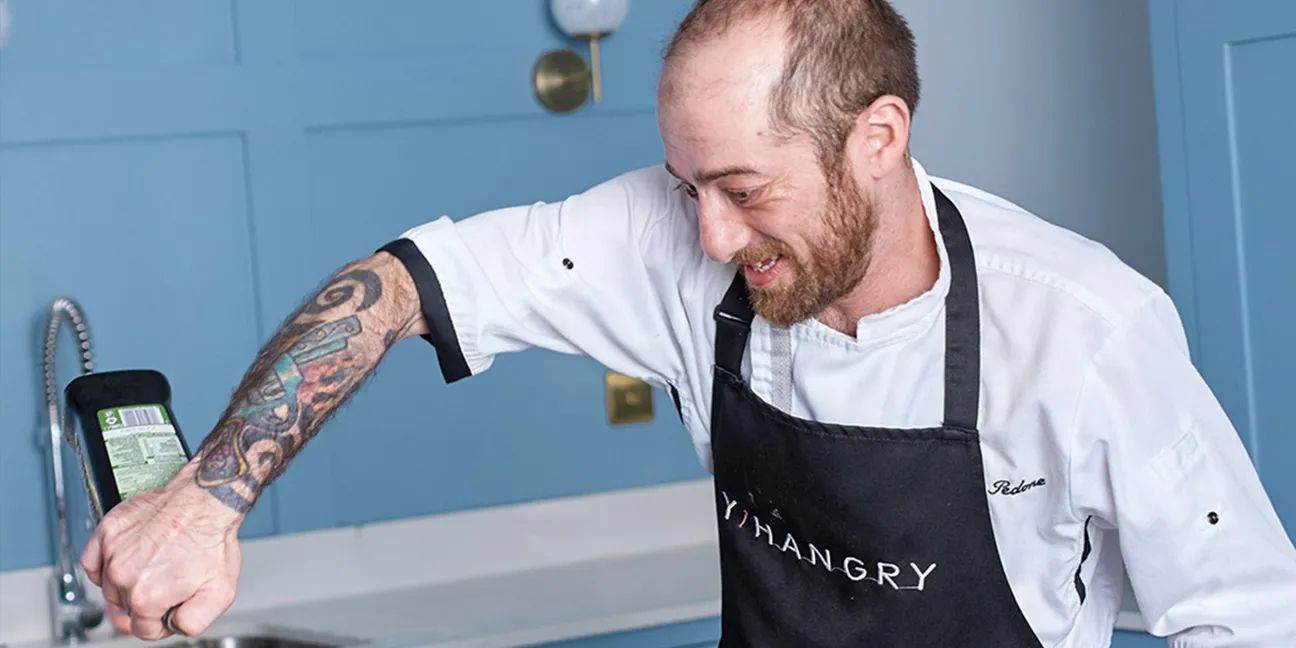
For years, Chef John worked behind the scenes of restaurants where the pressure never eased. Each day started early, often walking into kitchens filled with shouting, stress, and resentment. “You walk in at eight o’clock and someone’s hungover and pissed off—so they take it out on you,” he recalled.
That environment, repeated across every restaurant he tried, left him drained. The long hours—50 per week on average—were affecting not just his mental health, but his relationship at home.
Eventually, he quit. Not just the job, but potentially the entire profession.
At the time, he was seriously considering leaving cheffing altogether. Desk jobs, sales, even insurance—anything seemed more sustainable than kitchens. But one unexpected discovery shifted everything: a platform called Yhangry.
A Surprising First Step
Chef John stumbled upon Yhangry not as a chef, but as a customer. Curious whether the service also worked with chefs, he sent in an application. Within two weeks, he had his first booking.
That December, he landed six bookings. What caught him off guard wasn’t just the demand—it was how quickly it translated into income. “I can just work six days and get double the amount of money,” he said.
In that moment, something clicked. This wasn’t just a side hustle. It was the future.
Work Less, Earn More
Switching to private dining via yhangry brought a dramatic change in pace. He went from 50-hour restaurant weeks to just 10 hours of focused client work—and still earned more. The contrast was stark.
As his profile grew, his bookings became more consistent. He went from applying to jobs daily—often sending 15–20 quotes per day—to having clients approach him directly. Today, even with just 3–4 events a month, he surpasses his income from that standout first month.
“I’m doing something I love, without being stressed, overworked and underpaid.”
Learning to Price with Confidence
In the beginning, like many new private chefs, John struggled with pricing. He underestimated ingredient costs, didn’t factor in his time properly, and wasn’t sure what customers were willing to pay. Over time, that changed.
“I realised this is how much ingredients cost, this is how much time is worth, and this is how much people are happy to pay,” he said. With that understanding came confidence—and better profits.
His advice to new chefs is clear: “Don’t undervalue yourself. A lot of chefs think, ‘I can’t charge £100 per person,’ but you actually can. You just need to know your worth.”
Building a Brand, One Plate at a Time
Outside the kitchen, John invested time in something many chefs overlook: food photography. He didn’t have a professional setup—just his iPhone. But with hours of self-teaching online, he learned to make his food speak visually.
“I always try to use natural lighting, and I shoot at a 45-degree angle,” he said. The result is a clean, recognisable style that sets his dishes apart. “Almost every photo has the same feel—the same angle, same tone. When someone sees my food online, I want them to say, ‘That’s Chef John.’”
He also advises chefs to avoid overcrowded plates. “Less is more. The more free space you have, the more appealing your food looks.”
That visual identity became a huge asset—drawing attention on Instagram and giving clients a consistent preview of what to expect.
Saying Yes, Then Learning How
John’s success didn’t come from sticking to what he already knew. It came from staying open—and deliberately expanding his skillset to meet demand.
When clients began asking for sushi, he didn’t decline. Instead, he booked a trip to Japan to learn from the source. “I went because I needed to make sure I could actually do it before saying yes. I wouldn’t offer something I’m not confident in.”
The same mindset applied to his growing focus on cooking classes. Thai food, in particular, became a signature—rooted in the nine years he spent living in Thailand. “One of my main classes is Thai, and I’m confident teaching it because I lived there,” he said.
But his classes aren’t just about technique. “Clients don’t just want the recipe—they want the experience. They want to hear about my time in Thailand, the ingredients, the culture, the places to visit. They’re buying a story.”
BBQs, Word of Mouth, and Smart Hustle
Among the services he offers, BBQ events stand out as a favourite. “It doesn’t feel like work,” he said. “It’s relaxed, it’s social—it feels like cooking at a family event.” They’re also more profitable than fine dining, with less prep time and higher per-head rates.
Whether you're hosting a special celebration dinner, looking for a chef during your holiday or weekly meal prep, we will match you to the perfect chefs.
Start hereBut one of his biggest wins came from an event that didn’t look promising at all.
He took a last-minute £320 job after another chef cancelled. It didn’t pay much, but he showed up and delivered his best. That night turned into seven new bookings—all through word of mouth. “Never think a job isn’t worth it,” he said. “You don’t know who’s in that room.”
The Power of Follow-Up
In the early days, John was relentless about building his credibility. He didn’t just cook—he followed up. The day after each event, he’d message clients asking if they’d enjoyed the evening, and gently request a review.
“It’s easy to feel shy, but most people just forget,” he said. “If you ask once, most will leave one right away.” Those reviews became the foundation of his profile, leading to direct enquiries. A large share of his 84 Yhangry events are now repeat bookings.
Advice for New Chefs
Looking back, John believes the key to success in private cheffing is seeing yourself as more than a cook.
“You’re not just selling food. You’re selling an experience,” he said. “Your photos, your brand, your story—that’s what people connect with. That’s what gets you hired.”
- How can I transition from a restaurant chef to a private chef?
-
Transitioning from a restaurant to a private chef role involves adapting to a more personalized service model. Start by offering your services for small events or private dinners to build experience. Networking is crucial; connect with potential clients through social media, local events, and word-of-mouth. Develop a portfolio showcasing your culinary skills and versatility to attract clients seeking personalised dining experiences.
- How should I price my private chef services?
-
Pricing should reflect your experience, the complexity of the menu, ingredient costs, and the time involved. A common approach is to calculate the cost of ingredients, add your hourly rate (including prep and cleanup time), and include any additional expenses such as travel or special equipment. It’s important to research market rates in your area to remain competitive while ensuring profitability.
- What strategies can I use to build my brand as a private chef?
-
Building a strong personal brand involves showcasing your unique culinary style and personality. Maintain an active online presence through a professional website and social media platforms, sharing high-quality images of your dishes and behind-the-scenes content. Engage with your audience by responding to comments and messages, and consider blogging or creating video content to share your culinary journey and expertise.
- How can I diversify my culinary skills to meet various client needs?
-
Diversifying your culinary skills involves continuous learning and experimentation. Attend workshops, take online courses, and study different cuisines to expand your repertoire. Understanding dietary restrictions and preferences, such as vegan, gluten-free, or keto diets, can also make your services more appealing to a broader client base.