Kamayan at Home: Chef Mark’s Rise via Filipino Private Dining
A Homegrown Start
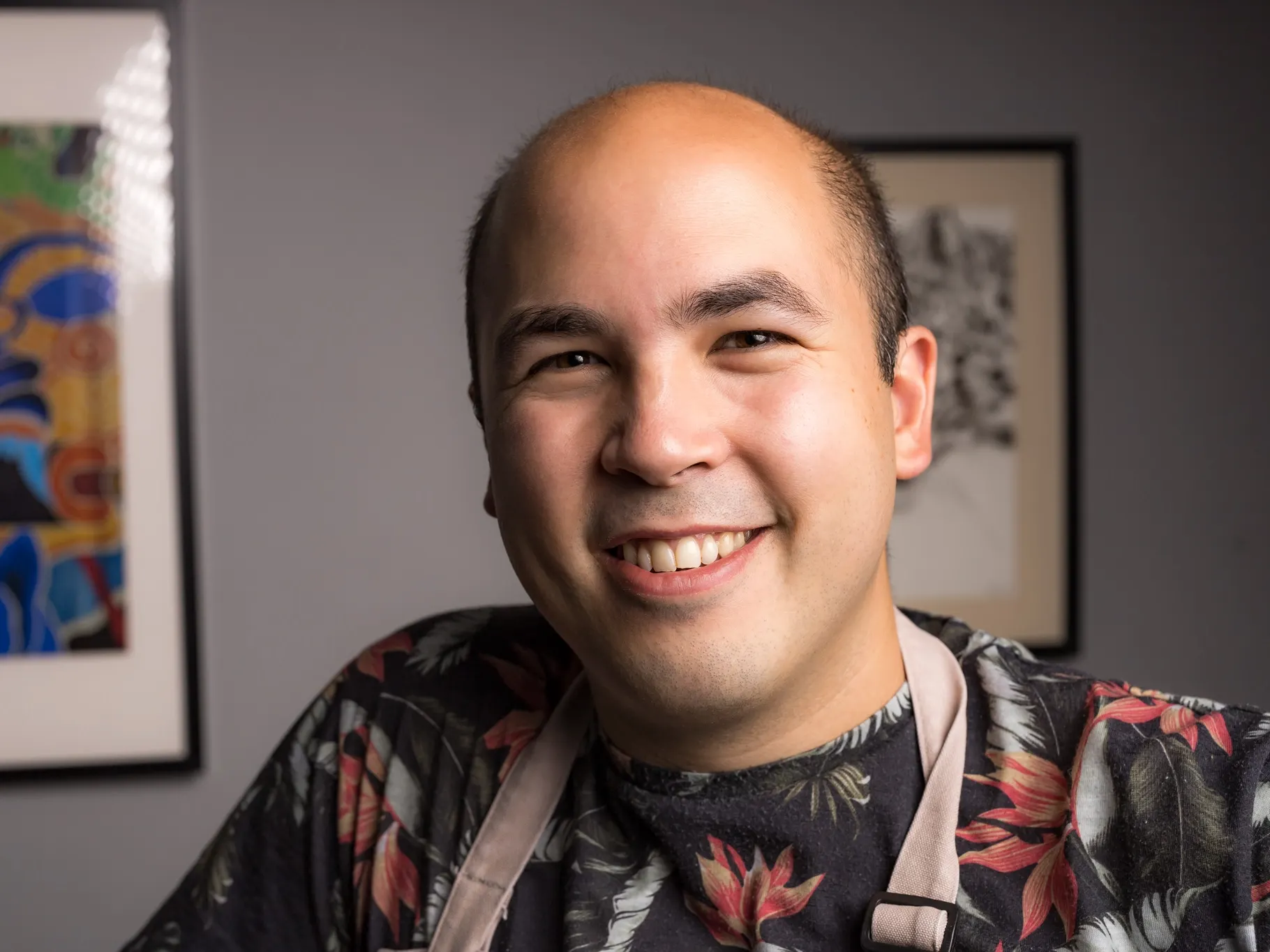
When Chef Mark launched his Filipino catering company in 2013, his goal was simple: share the flavours of the Philippines with others. He began with supper clubs hosted in his own home, cooking for up to 14 people at a time. The format was informal but purposeful—intimate meals where guests not only tasted new dishes but heard the stories behind them.
Those early dinners built more than a client base—they built trust. Guests left not just full, but curious.
What Kamayan Really Means
Central to Mark’s approach is kamayan—a traditional way of eating in the Philippines where diners share food directly from banana leaves and eat using their hands.
“In Tagalog, kamayan means ‘by hand’,” he explains. “There’s an intimacy to it that brings people together.”
While the concept might feel unfamiliar at first, Mark frames it in a way that disarms hesitation: “People already eat things like fried chicken and pizza with their hands. This just takes it a step further—and makes it communal.”
It’s a cultural practice that communicates generosity, closeness, and joy. For Mark, it’s also a teaching moment—an invitation to experience food and connection differently.
Private Dining: The Right Fit
For Mark, private dining isn’t just a business model—it’s a creative space. Compared to restaurants, he believes it allows chefs to take more risks and express their identity more freely.
“There is much more opportunity for chefs to lean into a niche and be more unique,” he says. “Private chefs have lower overheads—no landlords, business rates, high staff bills—so they can be more daring and adventurous. They don’t have to rely on tried-and-tested concepts just to cover costs.”
In a city like London, that appetite for “something different” is growing—and private chefs are uniquely positioned to meet it.
Reaching Beyond the Filipino Community
Before joining Yhangry, most of Mark’s private bookings came from within the Filipino community. “I got (and still get) a lot of business through word-of-mouth,” he says.
But listing on Yhangry expanded his reach. “Being on the platform puts me in front of an audience beyond that core group,” he explains. With more visibility comes more opportunity—but also new challenges.
“It really makes you think about what your strengths and weaknesses are. It’s pushed me to hone my skills and technique, to not be complacent, and to ensure that what I am cooking is the best I can do by that client.”
These new audiences often know little about Filipino food—which makes every booking a first impression.
Carrying the Responsibility—Happily
For Mark, that responsibility is nothing new. In fact, it’s what motivated him to cook professionally in the first place.
Whether you're hosting a special celebration dinner, looking for a chef during your holiday or weekly meal prep, we will match you to the perfect chefs.
Start here“There weren’t enough good Filipino restaurants I felt 100% comfortable recommending to my friends—would they order the wrong dishes, have a bad meal, and think Filipino food sucks?” So he invited them over and cooked for them himself.
Even today, that awareness stays with him. “I am constantly reminded that for many, I am their first encounter with the cuisine. And yes, I do still feel the responsibility keenly.”
But it’s a role he embraces. “Far from being a burden, it’s a happy one to bear. I love the cuisine so much anyway, that I just want to share it. It makes my day when people say they want to try more Filipino food.”
- How can I find reliable suppliers for traditional Filipino ingredients like banana leaves and calamansi in the UK?
-
You can source authentic Filipino ingredients in the UK through suppliers like Lung Wah Chong, which offers items such as banana leaves and calamansi with fresh weekly imports . Additionally, online retailers like My Exotic Fruit provide UK delivery for calamansi citrus, catering to both sweet and savoury applications .
- How do chefs build a loyal client base for niche ethnic cuisines in competitive markets?
-
Chefs cultivate loyalty by delivering authentic, high-quality dishes and personalised service, creating memorable experiences that lead to referrals and repeat bookings. Platforms like Yhangry also help chefs expand their reach and maintain visibility with diners seeking culturally rich, home-based dining experiences.
- What role does storytelling play in enhancing the dining experience for guests unfamiliar with the cuisine?
-
Storytelling enriches the dining experience by connecting guests to the cultural and historical context of the cuisine, making meals more engaging and memorable. By weaving narratives around ingredients, techniques, and regional influences, chefs create immersive experiences that resonate emotionally with diners, fostering deeper appreciation and connection.
- What are effective marketing strategies for promoting private dining experiences centered around ethnic cuisines?
-
Chefs can promote their services by sharing authentic stories behind dishes like kamayan, using engaging visuals and cultural context to spark curiosity. Platforms like Yhangry help expand reach beyond community networks, connecting chefs with diners actively seeking new experiences. Strategic use of social media, collaborations with local influencers, and strong client reviews further amplify visibility and trust.