How Yhangry Empowered Chef Shaloma’s Food Business Growth
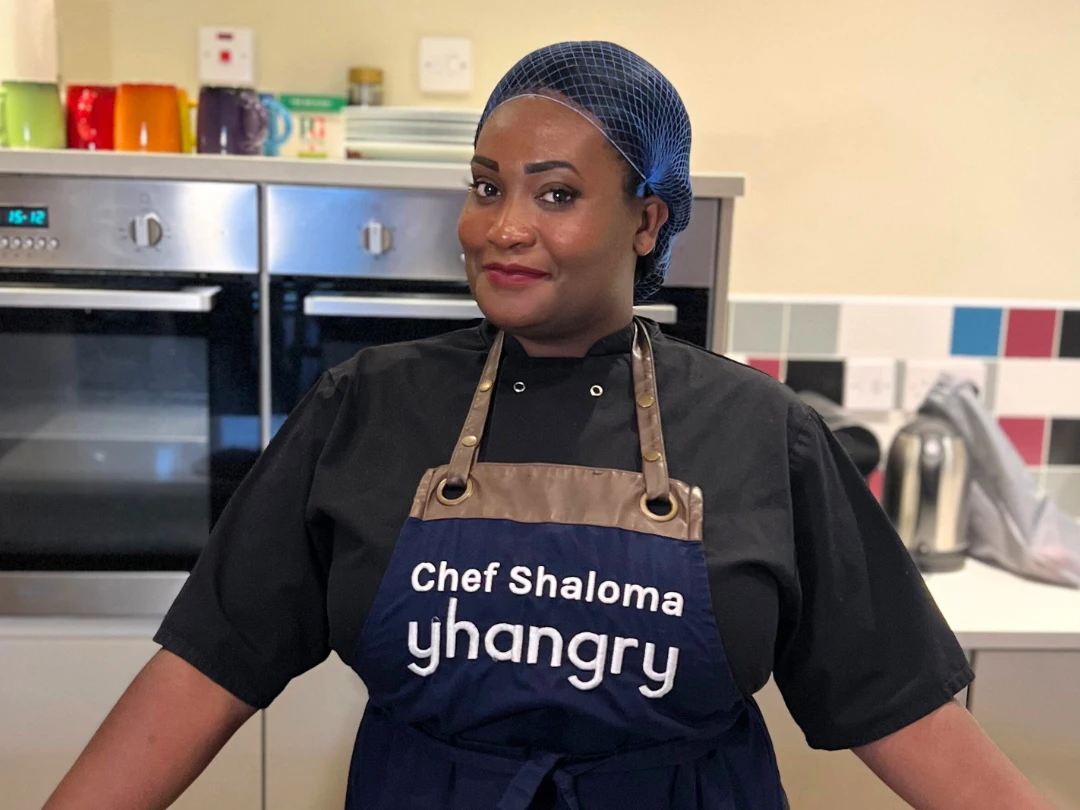
Turning Point: Reinventing the Restaurant Dream
When lockdowns closed restaurant doors in 2020, Shaloma’s career as a professional chef paused overnight. She had been building toward her dream of launching a restaurant or dark kitchen, but suddenly, that vision felt financially risky and operationally uncertain. So, she adapted the idea.
“I thought of a different way to run a restaurant—without the overheads,” she explains.
Within weeks, she registered as self-employed, completed her food hygiene certification, secured a DBS check, and took out public liability insurance. From there, she began searching for clients and testing out the world of private cheffing. One month in, she discovered Yhangry.
Building Momentum: From One-Offs to Predictable Income
In the early days, Chef Shaloma hustled to get bookings—handing out business cards, and promoting her new website through word of mouth. But the flow was inconsistent.
“Once I joined Yhangry, the bookings became more persistent,” she says. That consistency made a big difference—not just in terms of income, but also in planning her schedule and scaling her operations. Over the past four years, she has completed over 360 events through Yhangry.
Private Bookings That Funded a Bigger Vision
Shaloma didn’t just want to cook—she wanted to build a business. And private chef work gave her the financial runway to do it.
She moved from 15-hour restaurant shifts to 4-hour private bookings that earned her twice the daily rate. That extra time and money allowed her to learn to drive, save, and reinvest in her catering ambitions.
To support growing demand, she turned her home kitchen into a fully registered prep space. She invested in:
- A large fridge and freezer
- Storage racks and trolleys
- A portable fridge for her car
- Bulk catering equipment for batch cooking
It was lean, efficient, and entirely self-funded through private bookings.
Advice for Aspiring Chefs
Now running both her private chef services and a growing catering business, Shaloma offers clear, grounded advice:
Whether you're hosting a special celebration dinner, looking for a chef during your holiday or weekly meal prep, we will match you to the perfect chefs.
Start here- Get your paperwork in order: insurance, food hygiene, DBS, business registration.
- Be organised and plan for growth—especially when investing in equipment.
- Don’t wait for the “right moment.” Start with what you have.
- Use platforms like Yhangry to build credibility and secure consistent bookings.
“As long as you’re consistently working towards your goal, learning from your mistakes, and evolving your craft, success will be yours,” she says.
- How do private chefs handle taxes and accounting?
-
Private chefs in the UK manage their taxes by registering as self-employed with HMRC, maintaining meticulous records of income and allowable expenses such as equipment, travel, and training. Many opt for accounting software like QuickBooks or Xero, or hire accountants to ensure compliance and maximize deductions.
- What kind of insurance is necessary for private chefs?
-
Essential insurance for UK private chefs includes Public Liability Insurance to cover accidents or injuries during service, and Professional Indemnity Insurance for claims related to advice or services provided. Additional coverages like Tools and Equipment Insurance and Personal Accident Insurance are also recommended to protect against theft, damage, or loss of income due to injury.
- What are the logistics of offering meal prep or drop-off services?
-
Offering meal prep or drop-off services involves preparing meals in a registered kitchen, using appropriate storage containers with date labels to ensure food safety, and coordinating delivery logistics to maintain meal quality. Chefs must also manage client preferences, dietary requirements, and schedule regular feedback to refine offerings.
- What are the pros and cons of working through agencies versus independently?
-
Working through agencies can provide chefs with a steady stream of clients and handle administrative tasks, but often at the cost of high commission fees and less control over client selection. Operating independently offers greater autonomy, direct client relationships, and higher profit margins, but requires more effort in marketing, client acquisition, and administrative responsibilities.