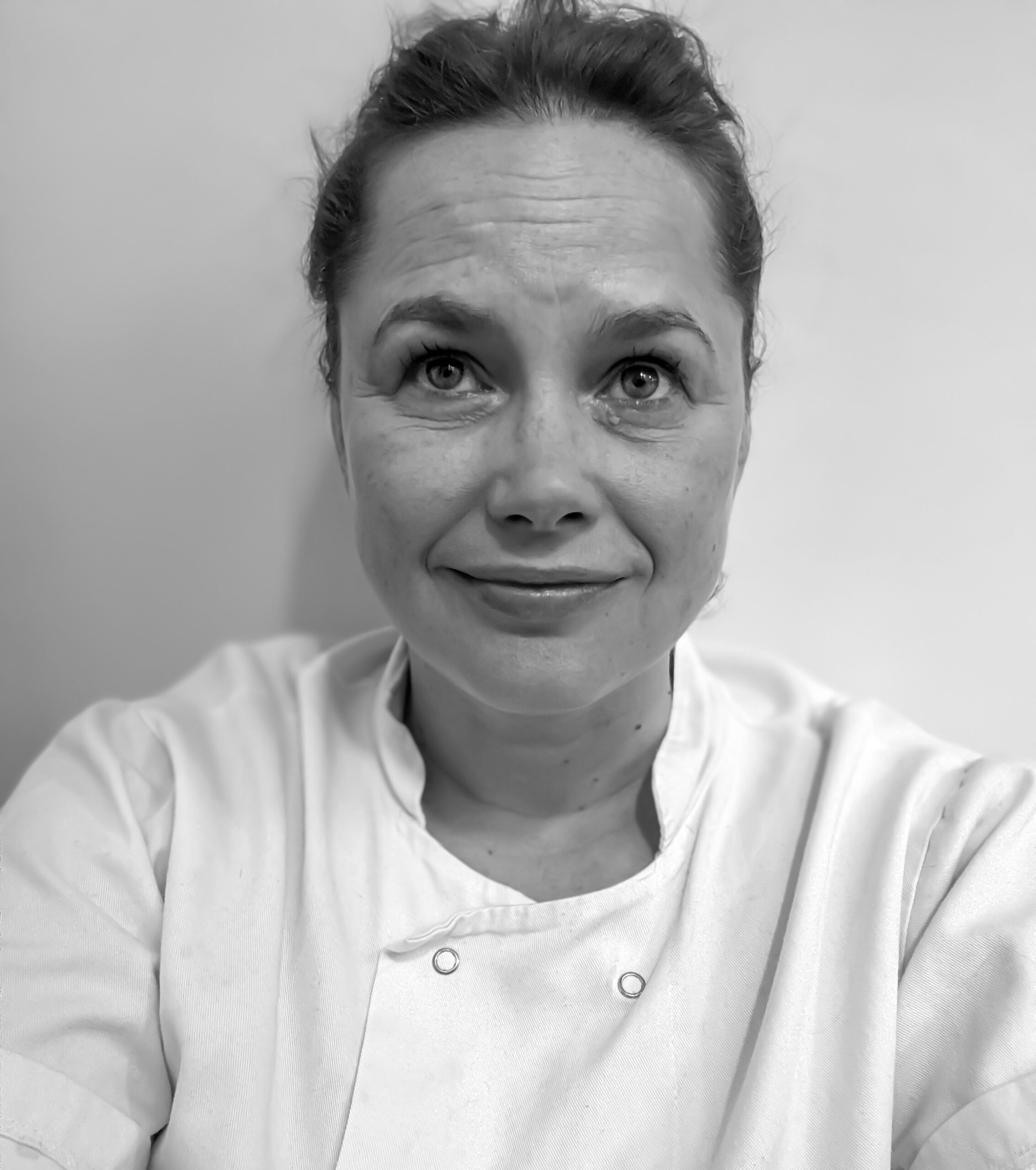
Cooking That Connects: Chef Ben’s Private Dining Formula
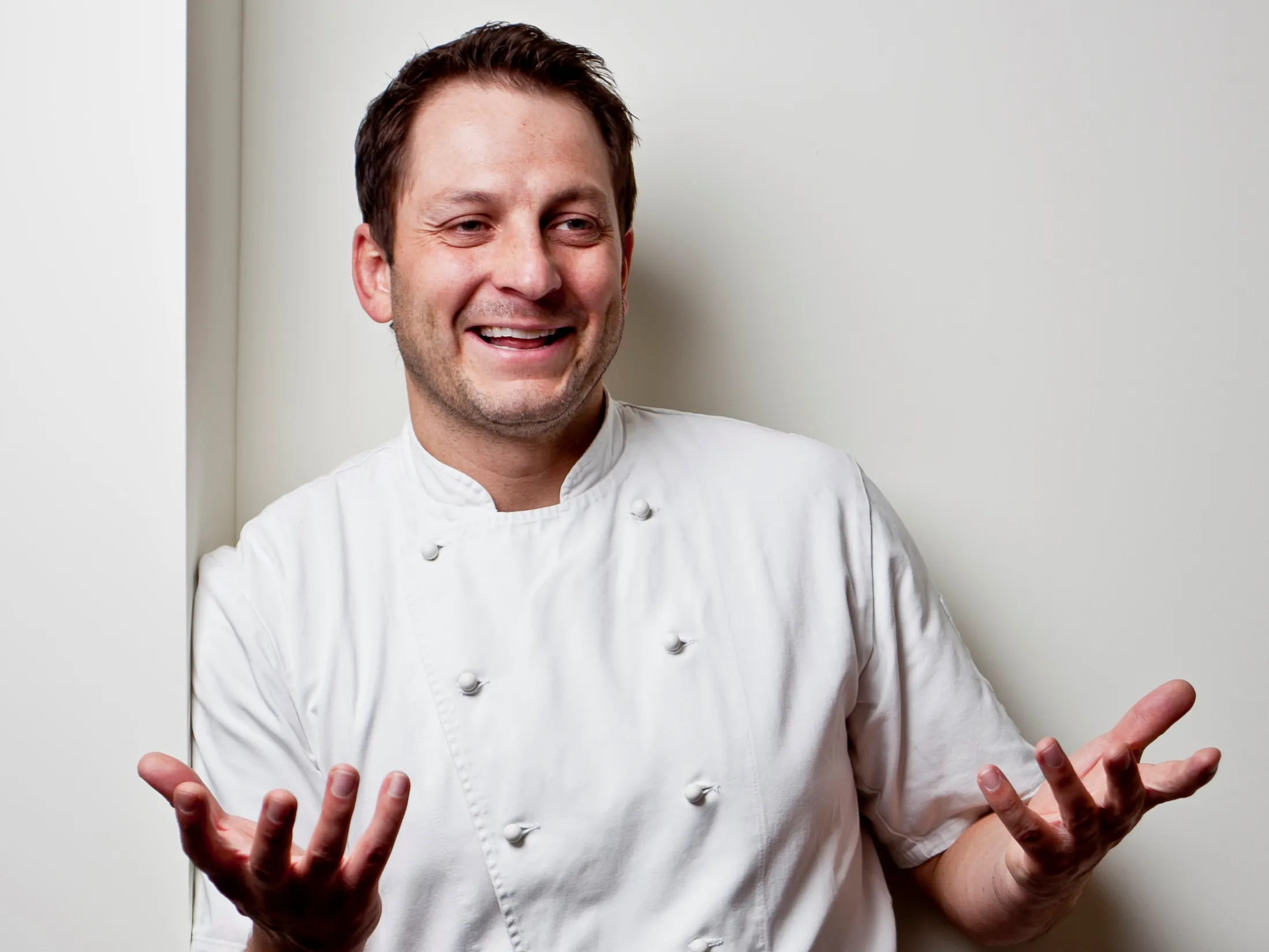
From High-Pressure Kitchens to High-Impact Moments
Before he ever set foot in a private home kitchen, Chef Ben had already cooked at 10 Downing Street, won national acclaim for his fine food business, and impressed judges as a finalist on BBC MasterChef. His reputation was built on technical excellence and creative flair, but over time, something else became even more important: emotional connection.
Eighteen years ago, Ben stepped away from the spotlight of restaurant and media kitchens to pursue something more personal. “Private dining gave me the space to really talk to people, understand their stories—and then design dishes that spoke directly to them,” he says.
The Challenge of Making Food That Feels
Unlike restaurants with controlled environments and repeatable menus, private dining demands adaptability. Ben arrives at every booking having never cooked in that kitchen before. “Each event is a new layout, new equipment. I always bring my own pots, pans, induction burners—whatever it takes to get it right.”
But this unpredictability is also where the magic happens. For Ben, it’s not just about precision. It’s about presence—being fully engaged with the moment, the guests, and the meaning behind each course.
One guest was brought to tears by a simple rice dish with slow-braised chicken. “She said it felt like a big hug,” Ben recalls. “That’s when I knew I was doing the right kind of work.”
His approach is instinctive, but also refined by years of experience. “Over time, I’ve learned that dishes don’t need lots of elements. Just the right ones. I focus on the essentials that make a plate resonate.”
Building Deeper Connections—One Guest at a Time
To reach that level of resonance, Ben invests heavily in pre-event conversations. He prefers to speak with clients directly—getting to know the occasion, the mood they’re trying to create, and what matters most to them.
“I offer a different service than most. The consultation is just as important as the cooking,” he explains. That could mean learning a couple’s favourite honeymoon dish, or designing a course around a nostalgic family flavour. His storytelling continues during service, where he shares the inspirations behind each dish—sometimes drawing on his past careers in law, headhunting, or running a cheese and chocolate business.
These layers of context enrich the experience, turning a dinner into something far more intimate.
Where Yhangry Adds Reach
Two years ago, Ben joined Yhangry—a move that quietly extended his reach to new, often first-time, private dining clients.
“The platform makes it easier to connect with people who haven’t considered hiring a chef before,” he says. While he still prefers direct conversations to communicate the bespoke nature of his work, Yhangry opens the door to discovery.
He notes some limitations in how premium services are presented online, but sees value in how Yhangry brings more visibility to chefs operating outside traditional restaurant spaces.
A Taste for Telling Stories
Ben’s menus are never repeated. In nearly two decades, he hasn’t served the same set of dishes twice. Instead, he leans into tasting menus—especially those inspired by modern Japanese and Korean cuisines. The small portions let him pack in bold, memorable flavours while maintaining flow and storytelling across the meal.
Whether you're hosting a special celebration dinner, looking for a chef during your holiday or weekly meal prep, we will match you to the perfect chefs.
Start hereHe typically runs 15–18 tasting menu events per year, each one tailored from scratch. This focus on originality, paired with his ability to adapt to any kitchen or audience, is what keeps the work fulfilling. “It’s not just about money,” he says. “It’s about putting smiles on people’s faces and knowing you gave them something they’ll remember.”
For Aspiring Private Chefs: What to Expect
Ben is clear-eyed about the realities of private cheffing. It’s not a controlled environment, and it’s not for the faint-hearted. But for those who thrive on adaptability and want to make people feel something through food, it’s a rare and rewarding path.
His advice?
- Expect every kitchen to be different: Unlike a restaurant, there’s no consistency in layout or equipment. “I always ask for kitchen photos ahead of time,” Ben says, “so I know what I’m walking into. I bring my own pots, pans, crockery—even induction hobs for Aga cookers.”
- Start with simple, confident dishes: For those new to private dining, he recommends avoiding complexity. “Begin with cold starters and dishes you can execute well—then build up from there.”
- Refine, don’t overload: It’s easy to overdo it in the early stages. Ben has learned that less is often more. “You don’t need a dozen elements on the plate. Just the ones that matter.”
- Be ready to think on your feet: Mishaps are inevitable—whether it’s a missing oven tray or unfamiliar induction settings. “Adaptability and problem-solving are crucial. You need the mindset to stay calm when things go wrong.”
- Connect with the client early: A great meal starts long before the day of service. Ben sees the consultation stage as vital. “Get on a call, learn who they are and what they want the night to feel like. That’s when real creative cooking begins.”
- What are effective methods for private chefs to receive and utilise feedback on the emotional impact of their meals?
-
To receive emotional feedback, you can frame the experience early—letting clients know they aim to create meals that connect personally, and inviting honest reflections post-event. During service, chefs can observe subtle cues like pauses, smiles, or nostalgic comments, and later follow up with open-ended questions like “Did any dish bring back a memory or surprise you emotionally?”
- How can private chefs incorporate clients' personal stories or memories into their menus without overstepping privacy boundaries?
-
Chefs can invite personal input by asking open-ended, non-intrusive questions like “Are there any dishes or ingredients that mean something special to you?” during early consultations. Framing the conversation around celebration, comfort, or favourites lets clients share at their own pace, with no pressure. This collaborative tone allows chefs to incorporate memories respectfully, without overstepping.
- What are the best practices for maintaining client confidentiality while sharing success stories or testimonials?
-
You can obtain explicit consent through a testimonial release form, clearly outlining how the feedback will be used and offering options for anonymity or pseudonyms. Additionally, sharing generalized narratives that focus on the chef’s role and the culinary experience—without revealing specific client details—ensures privacy is respected while still highlighting the chef’s expertise and the emotional impact of their services.